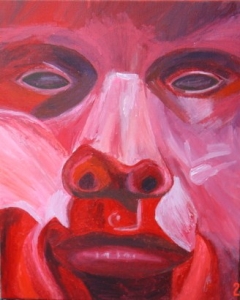
perception exercises
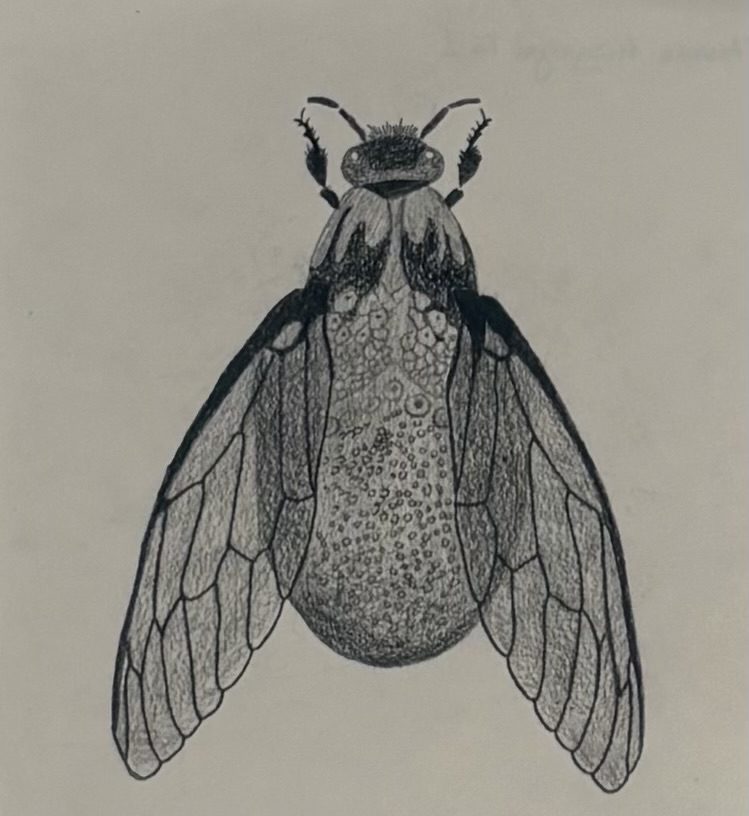
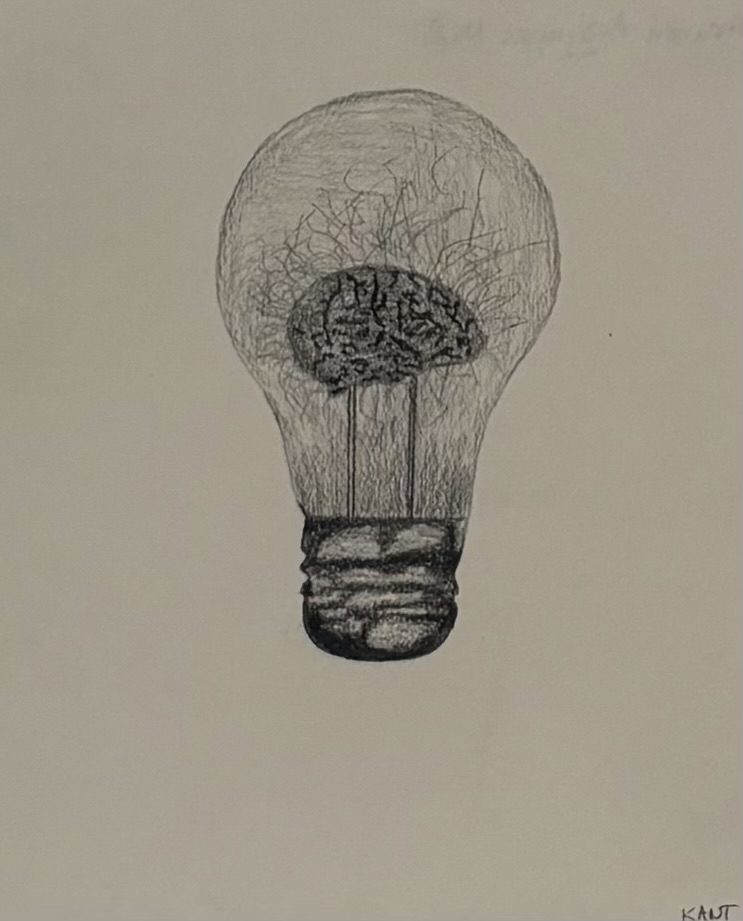
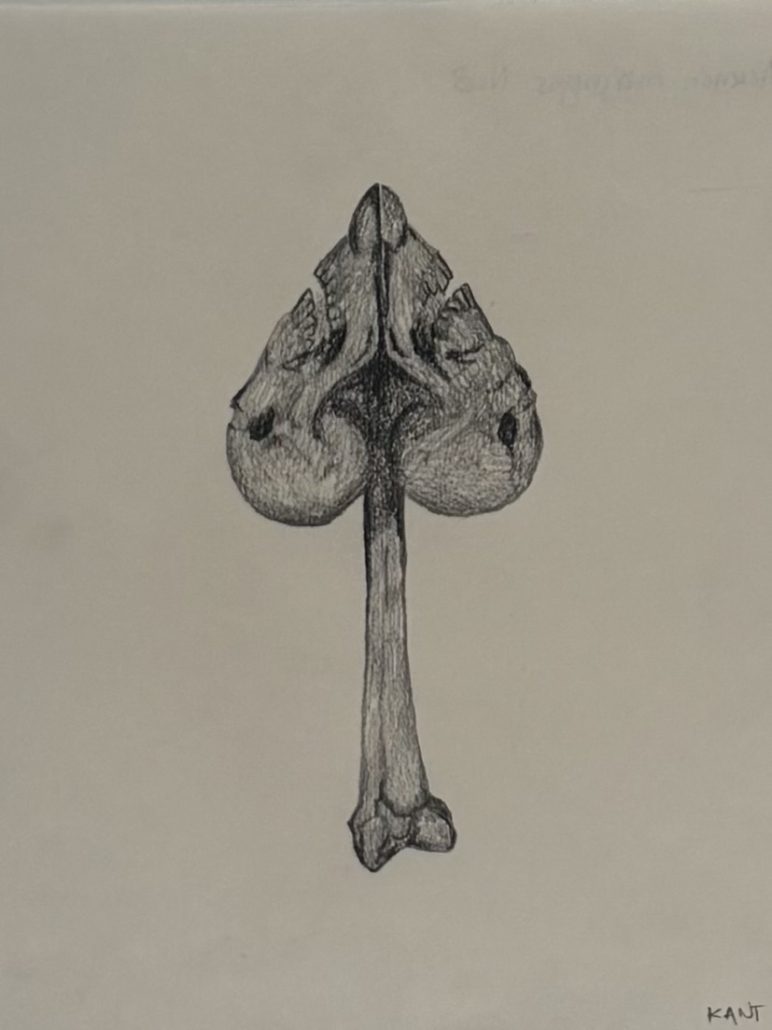
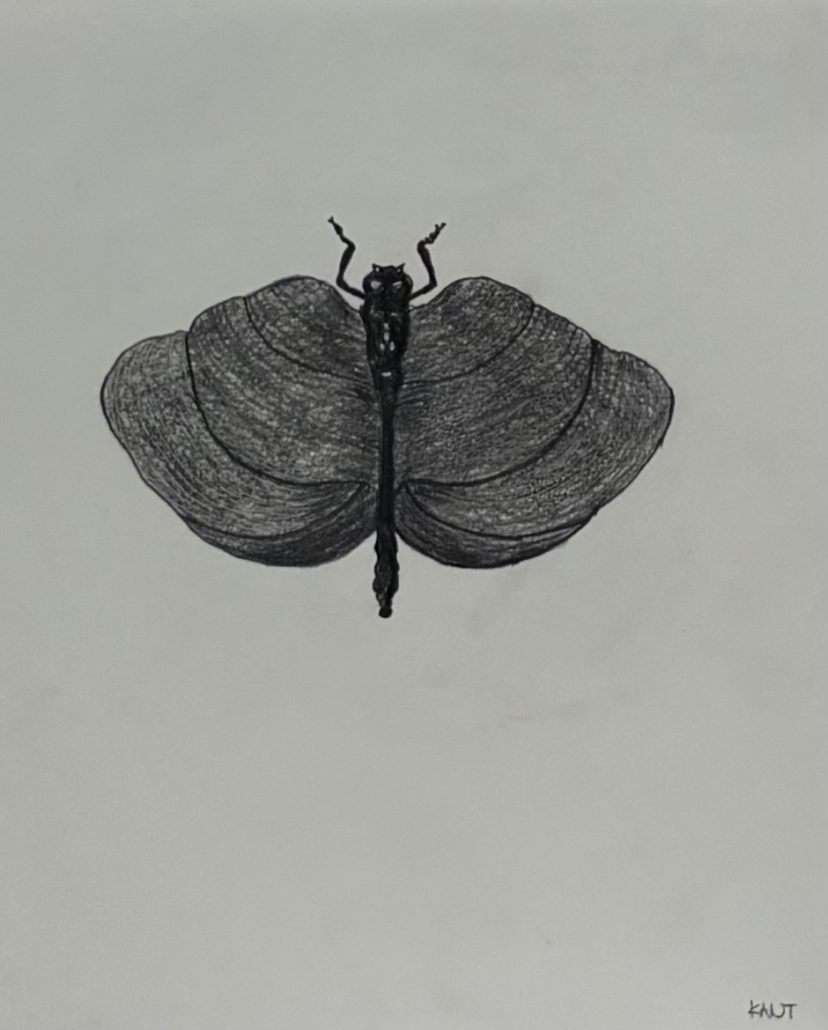
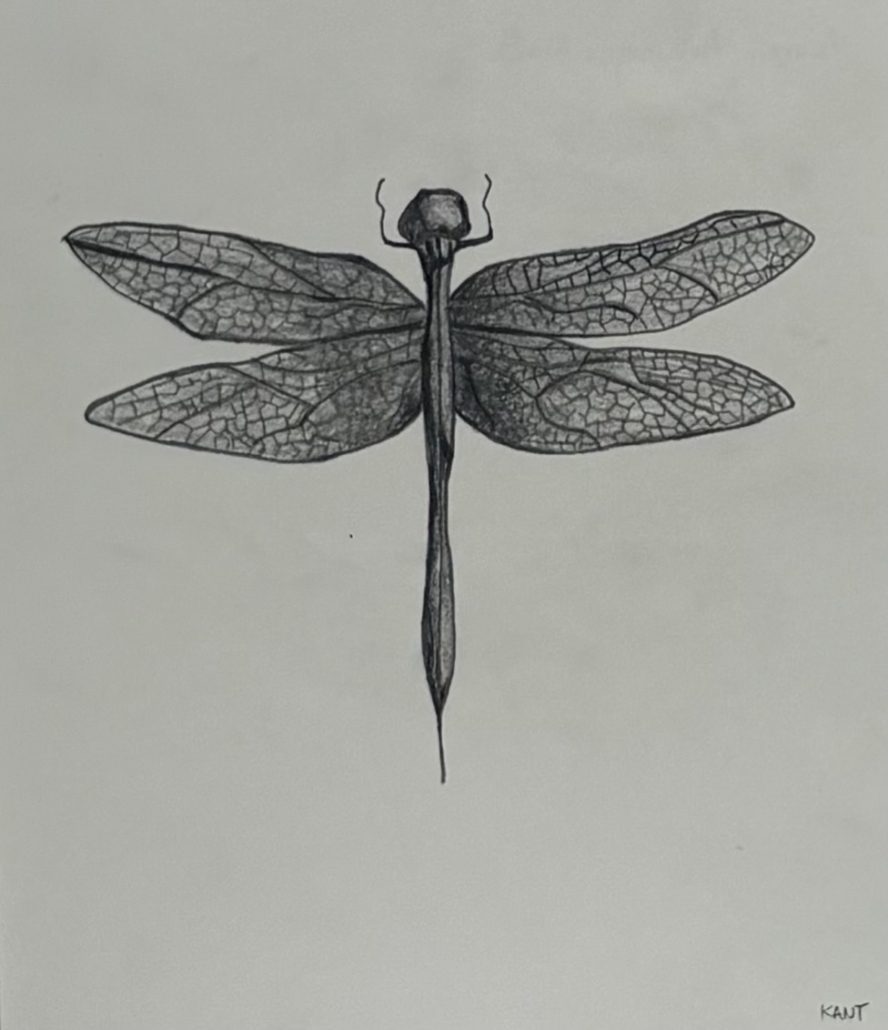
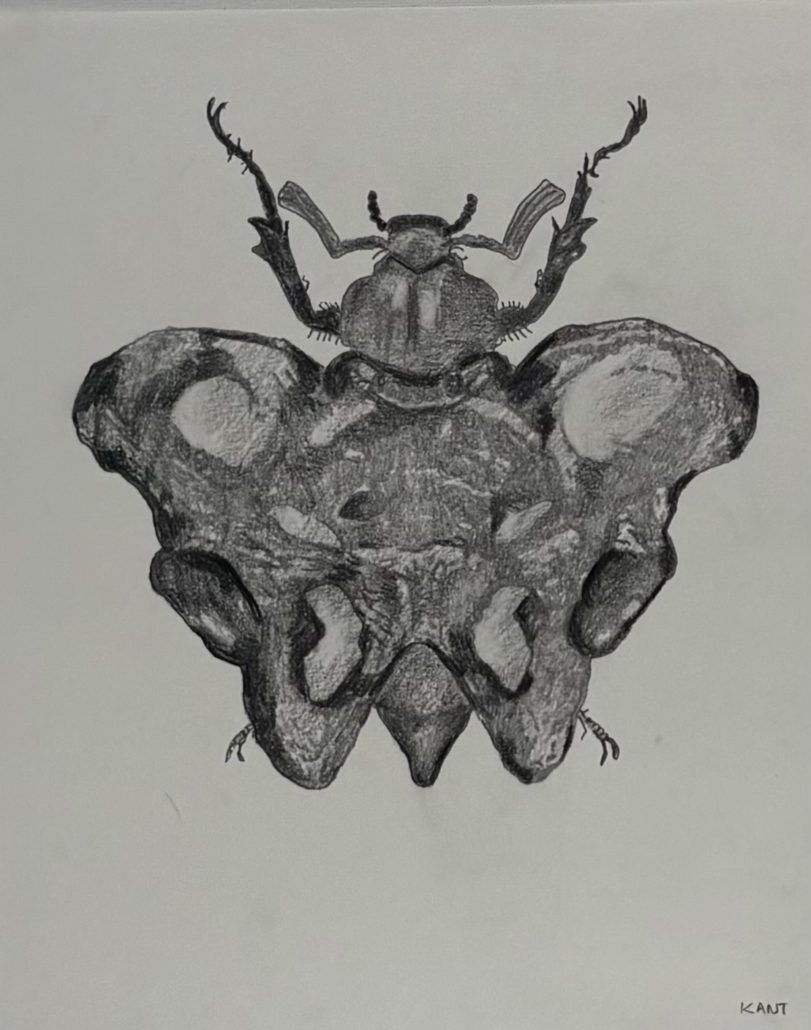
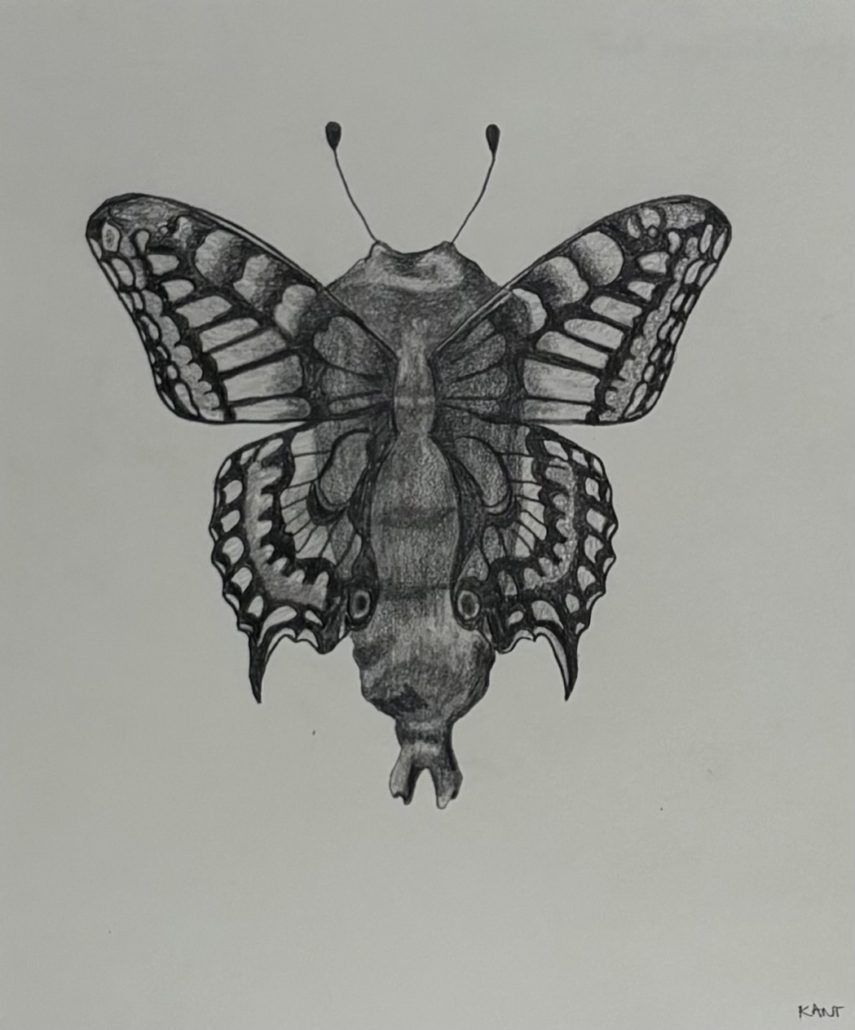
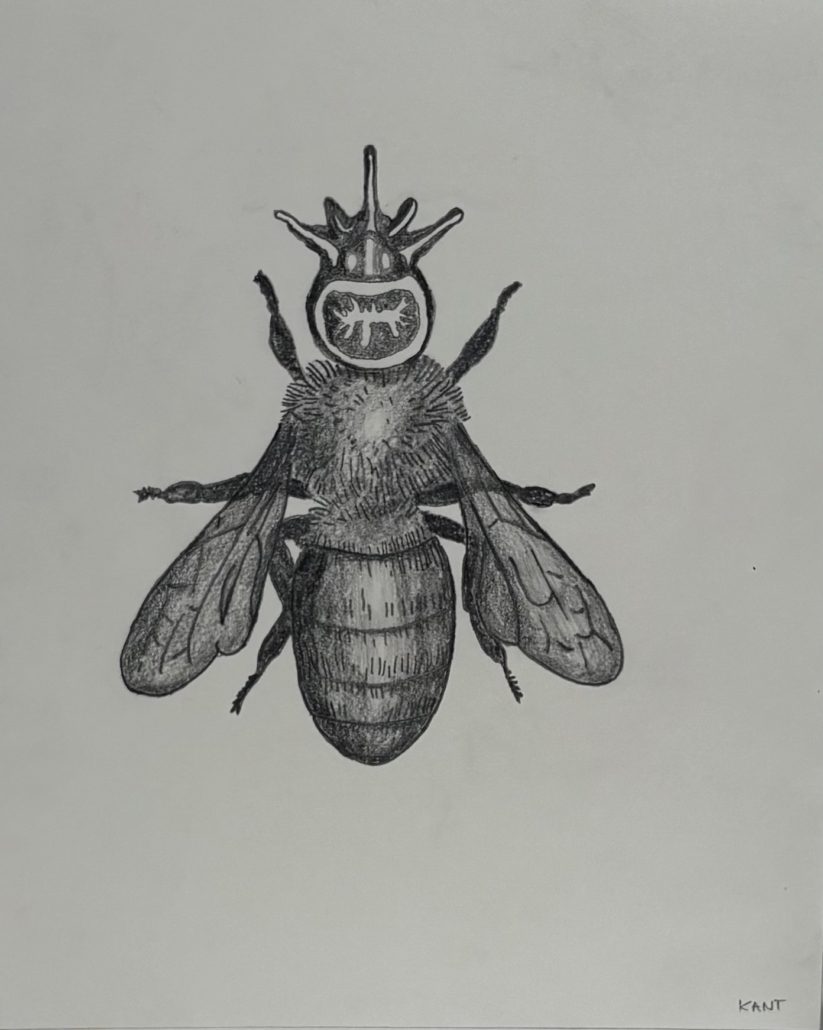
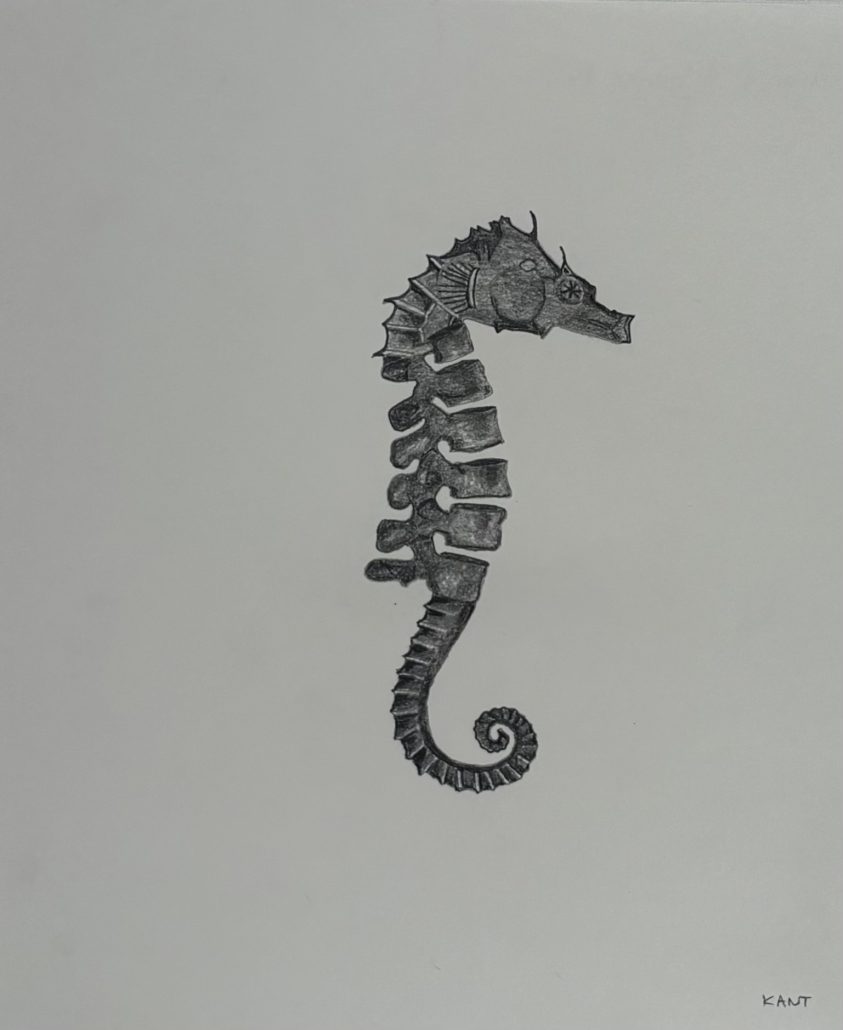
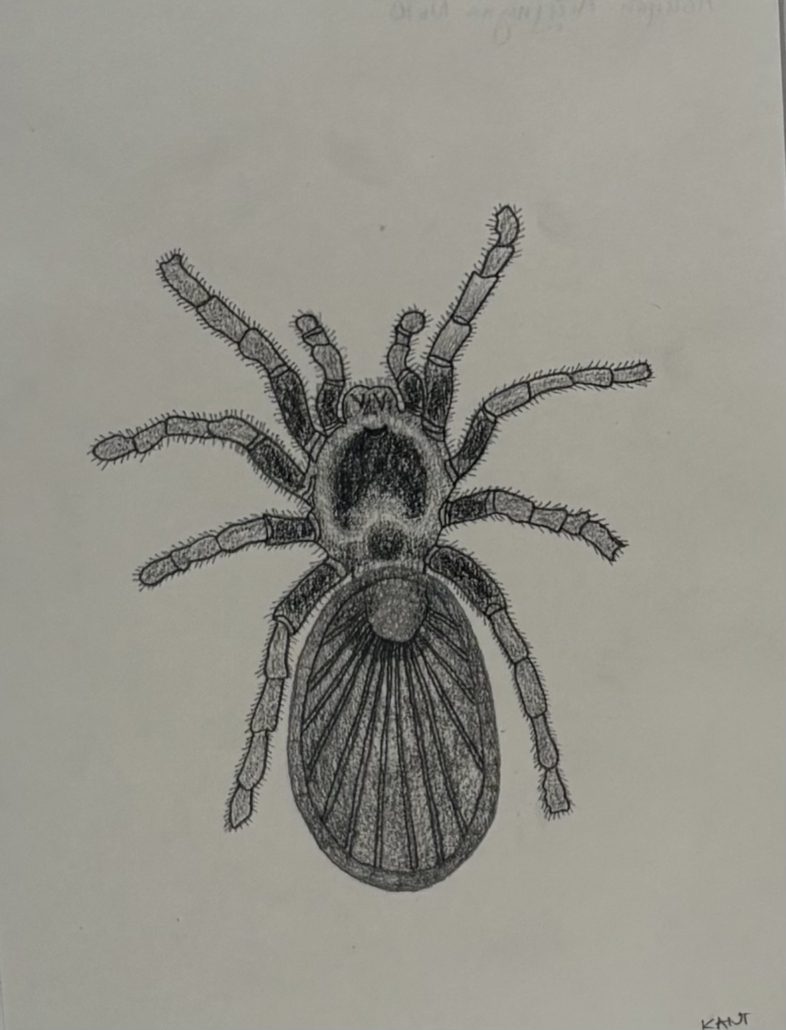
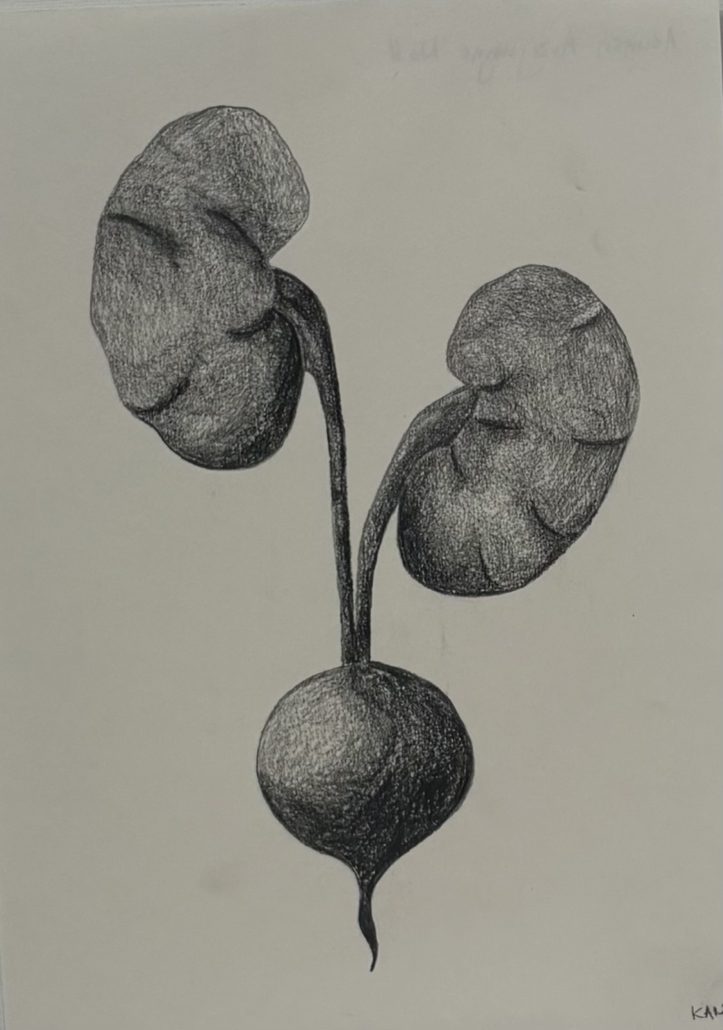
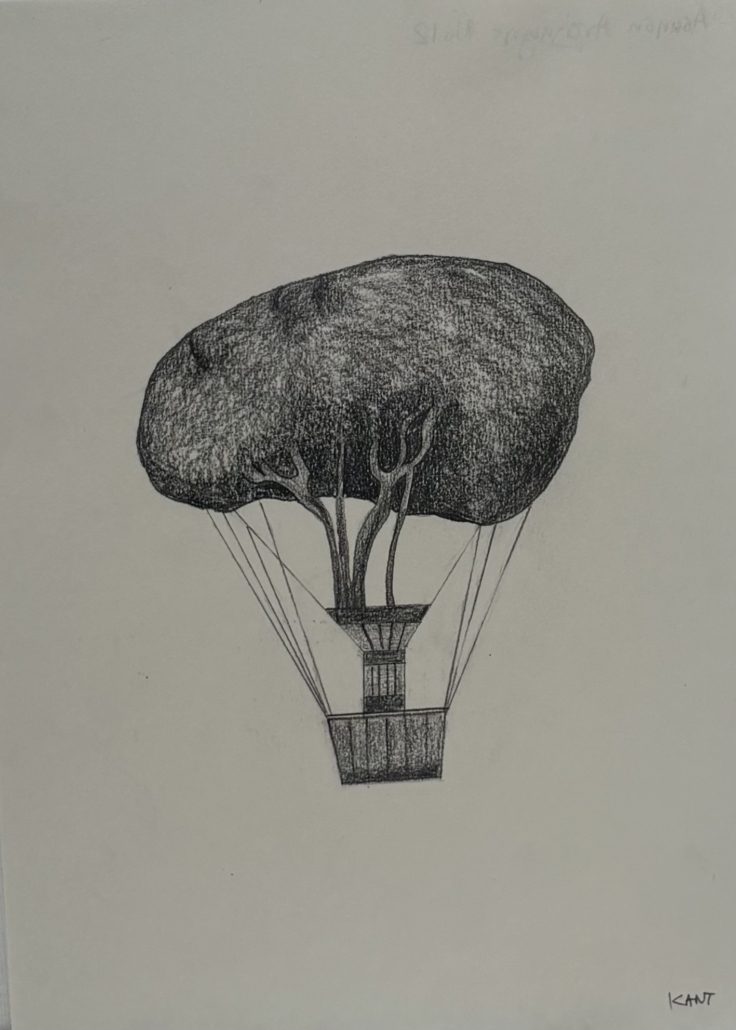
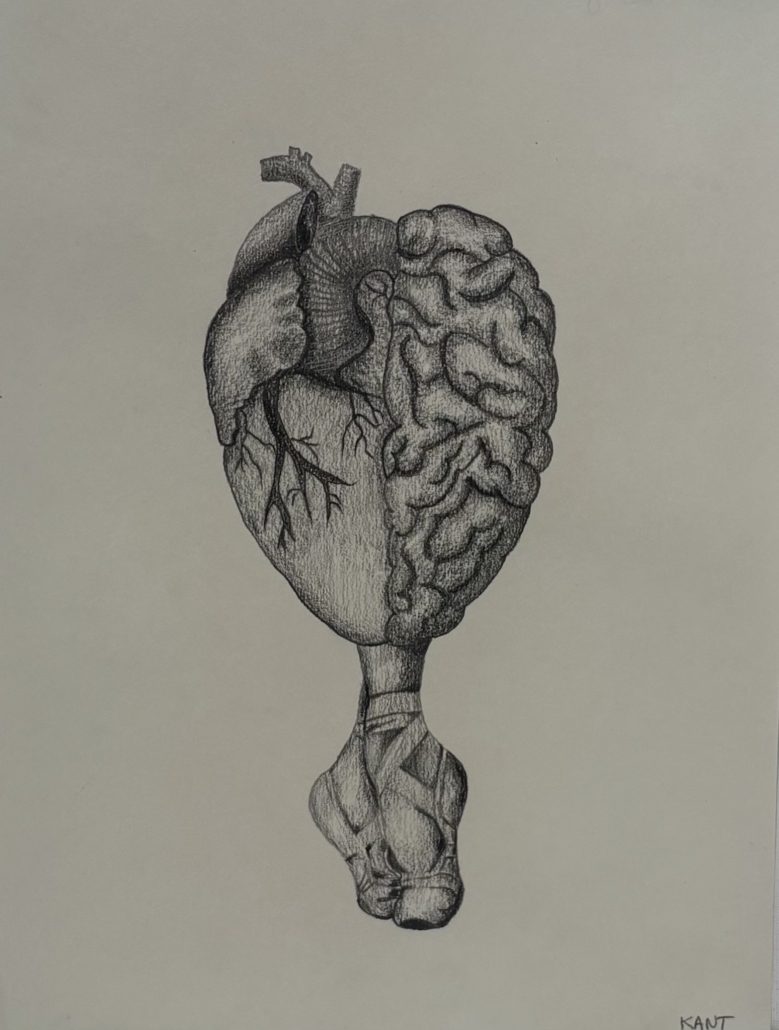
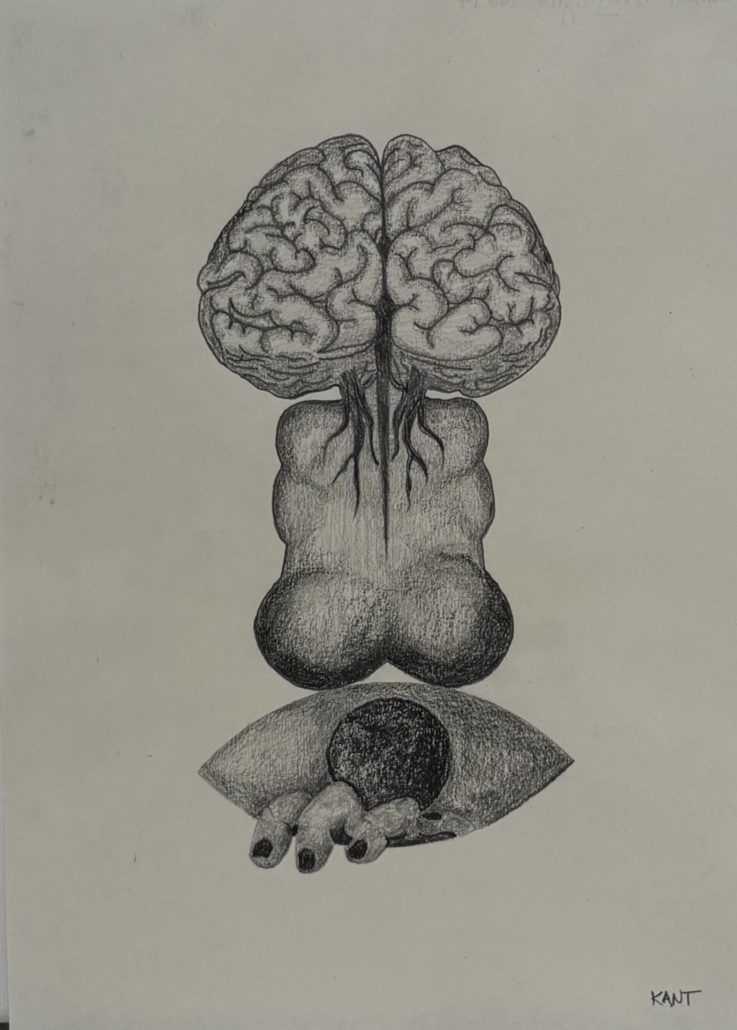
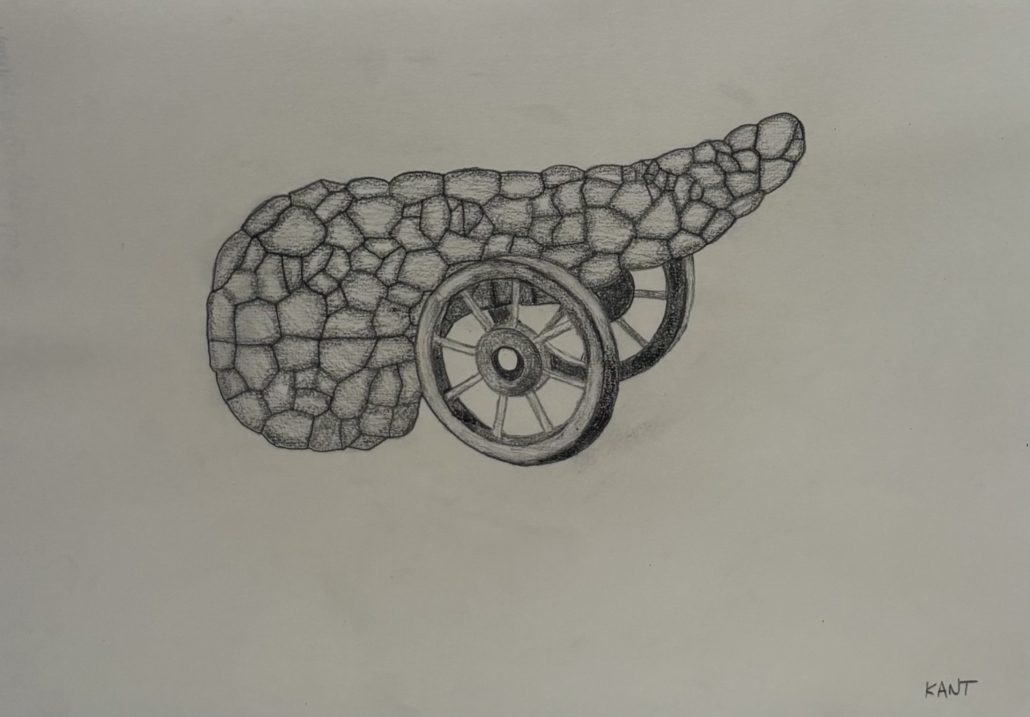
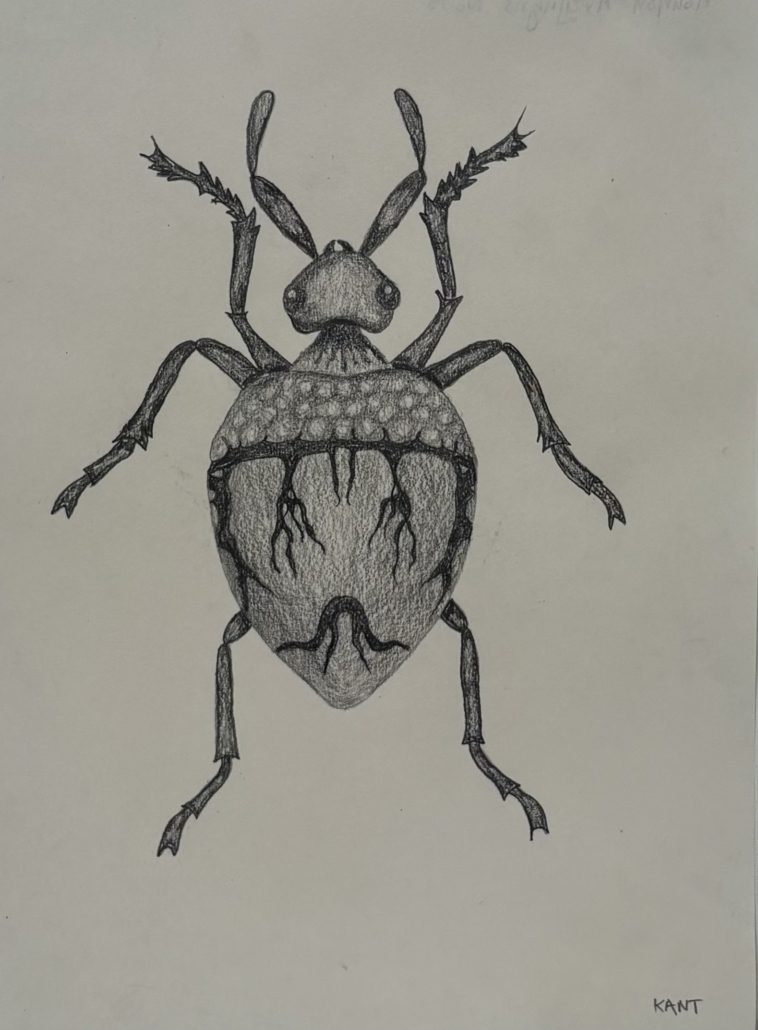
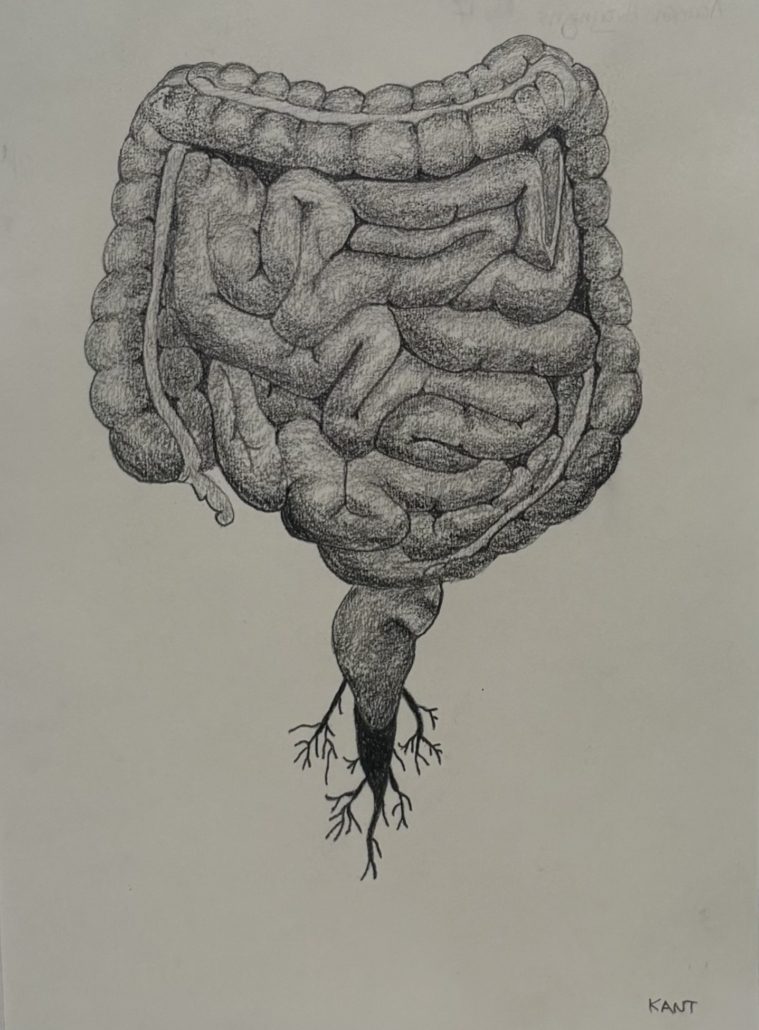
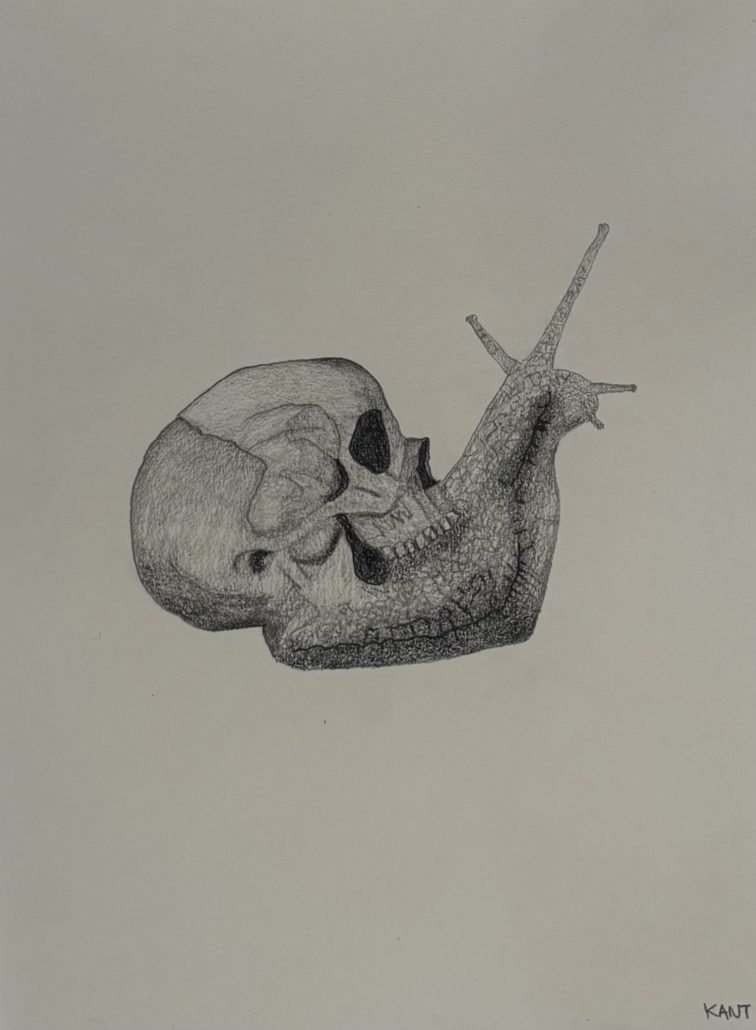
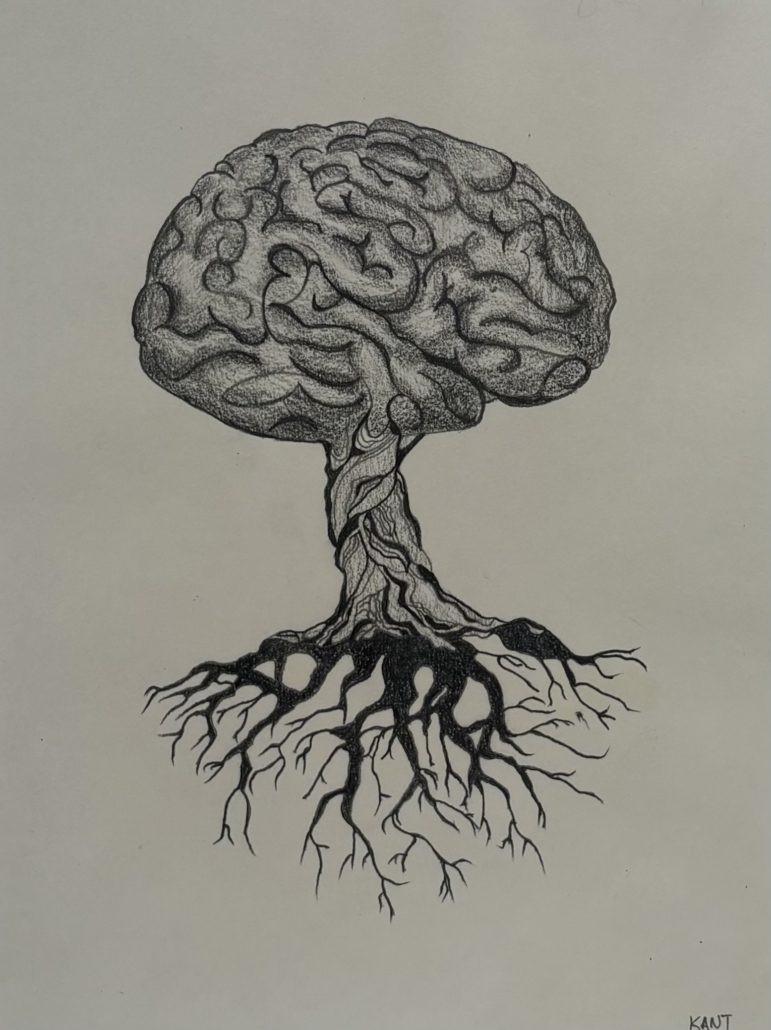
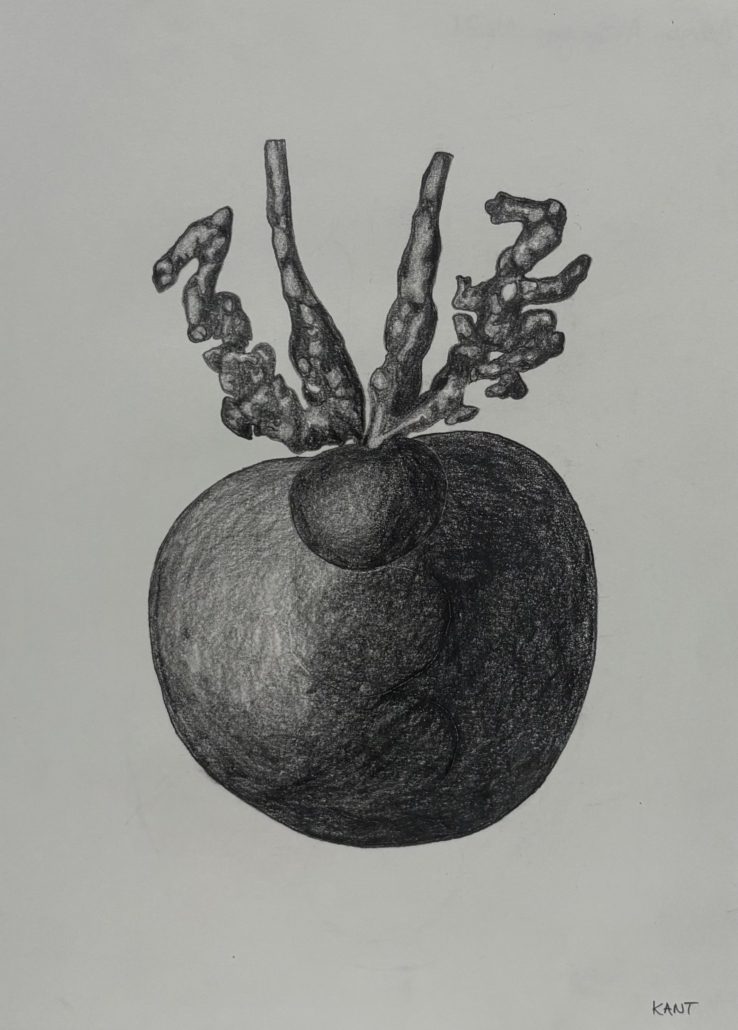
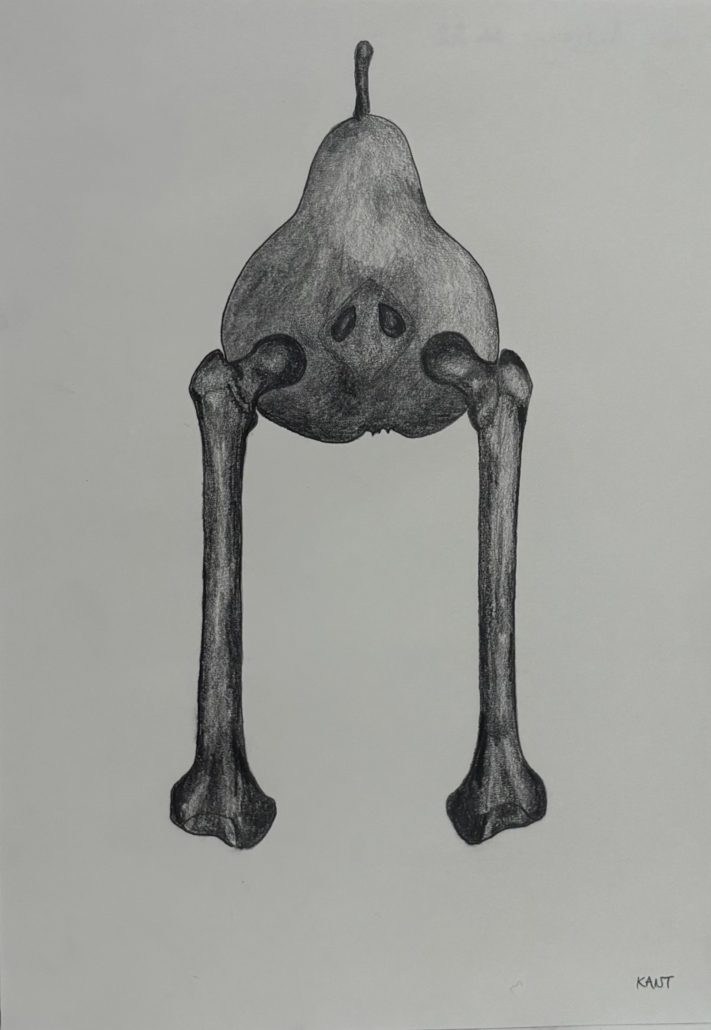
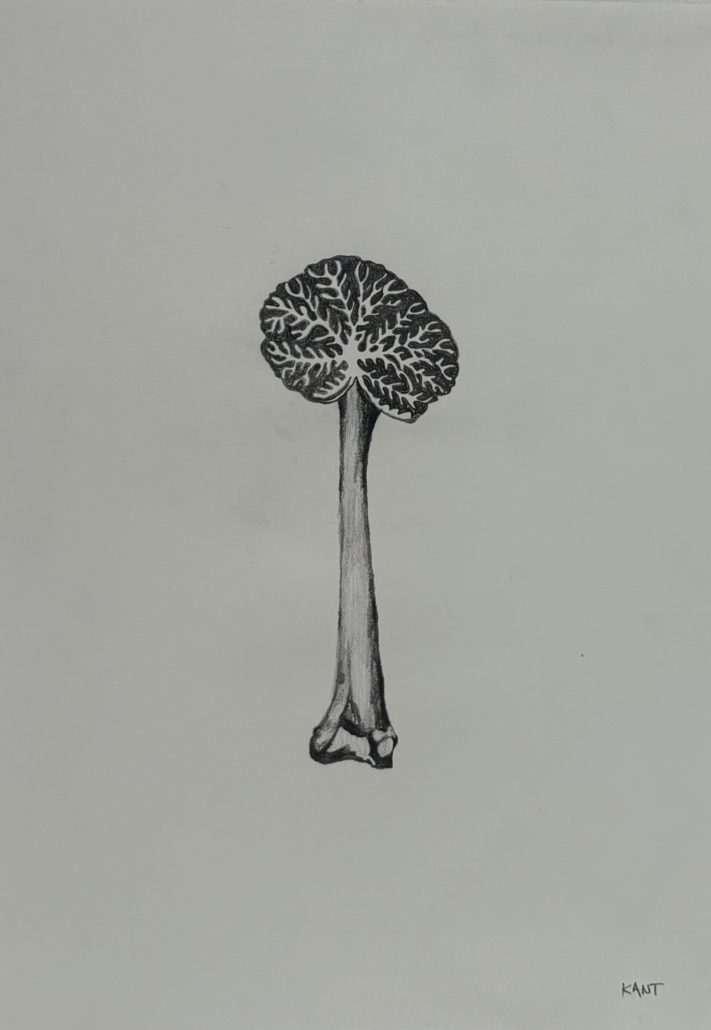
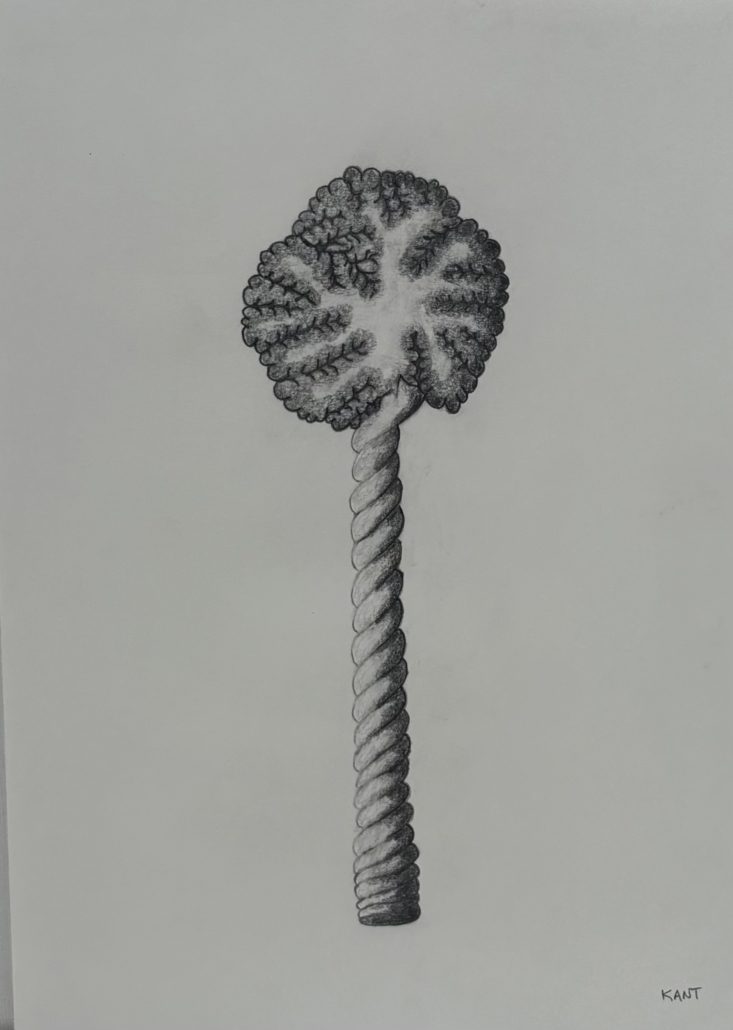
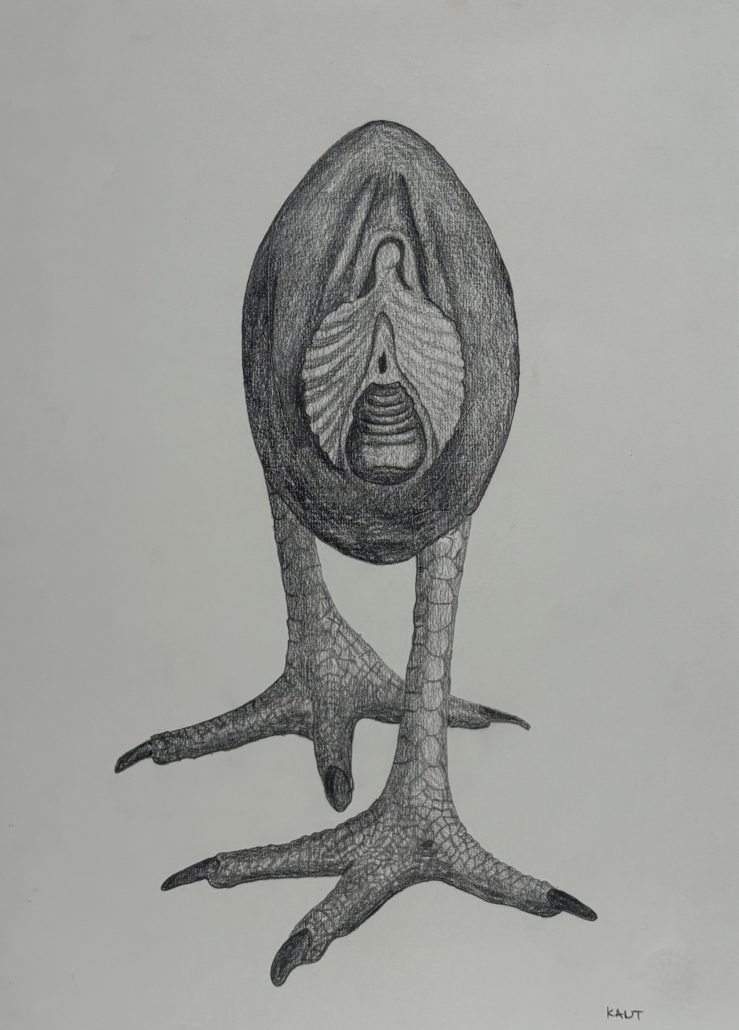
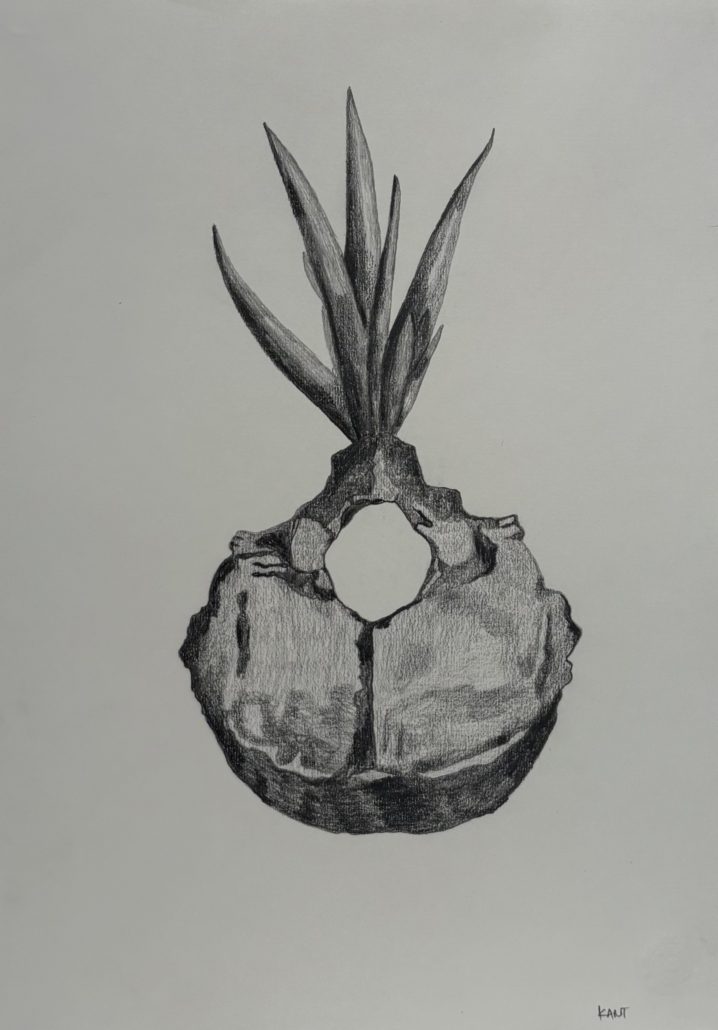
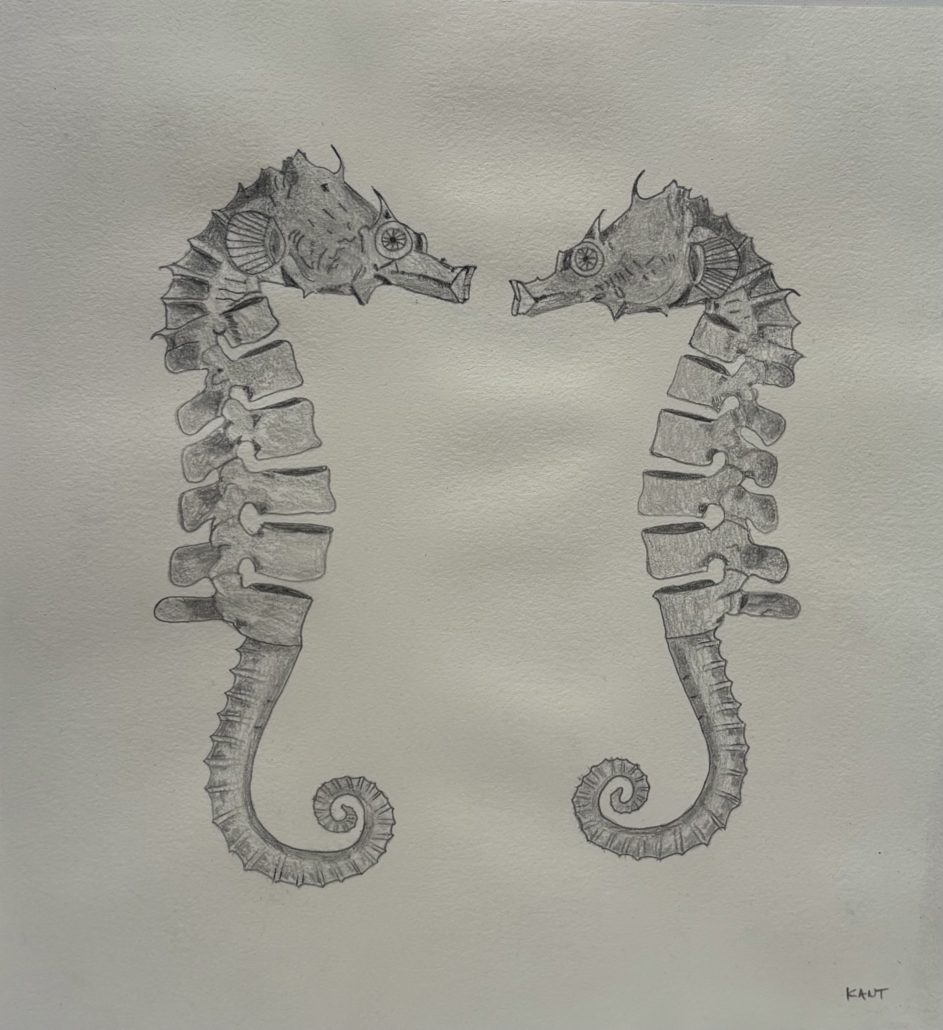
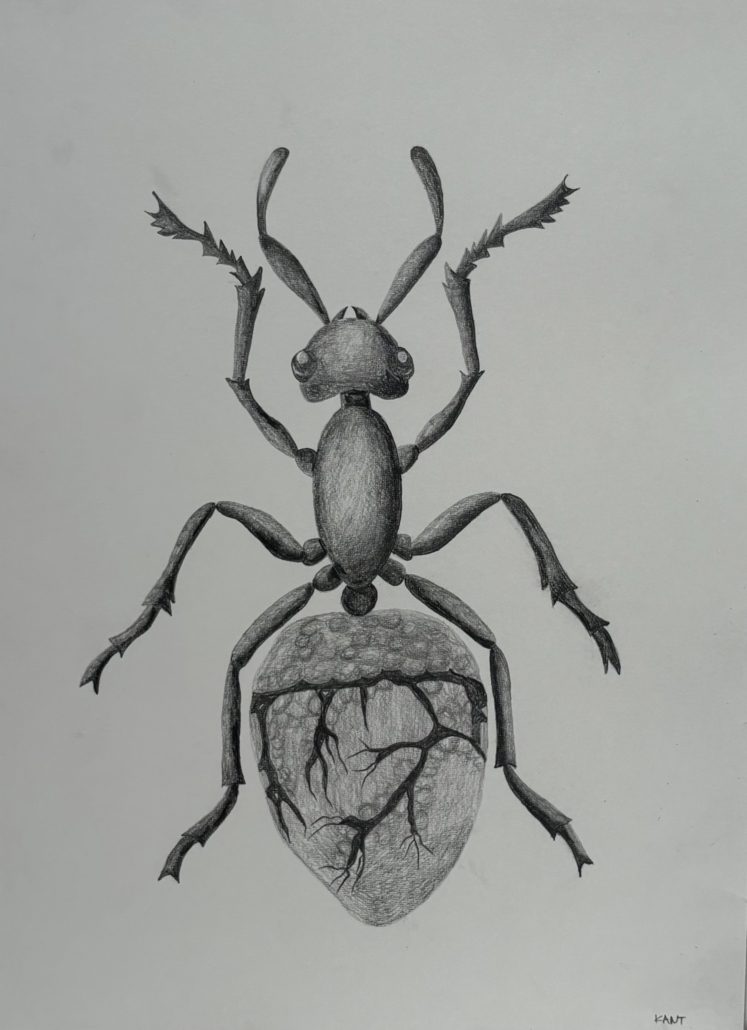
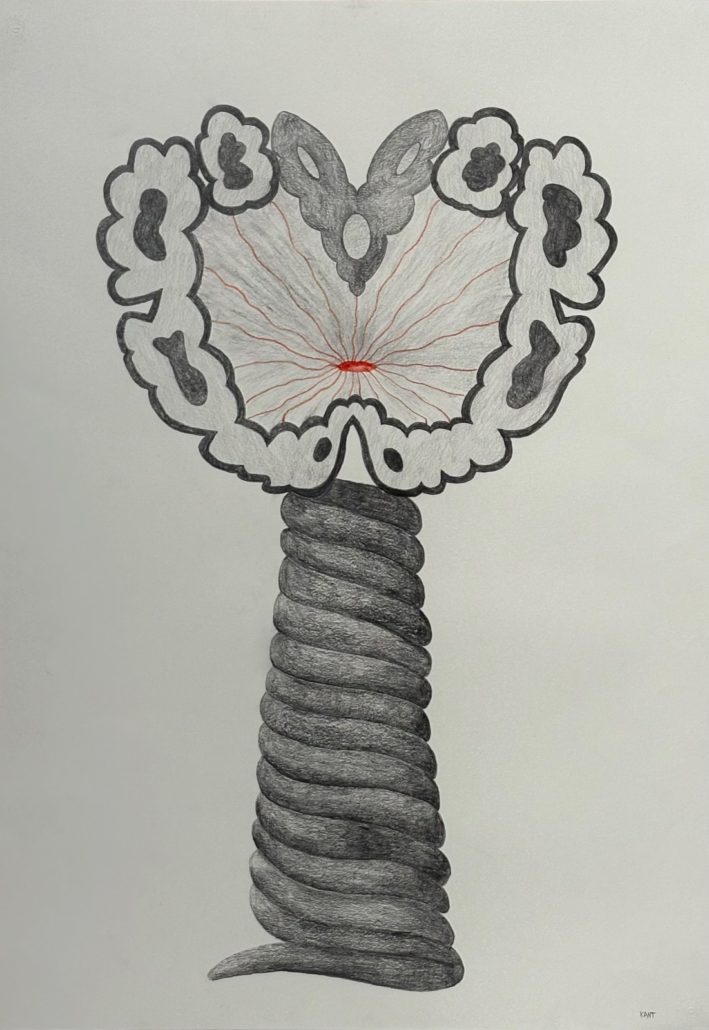
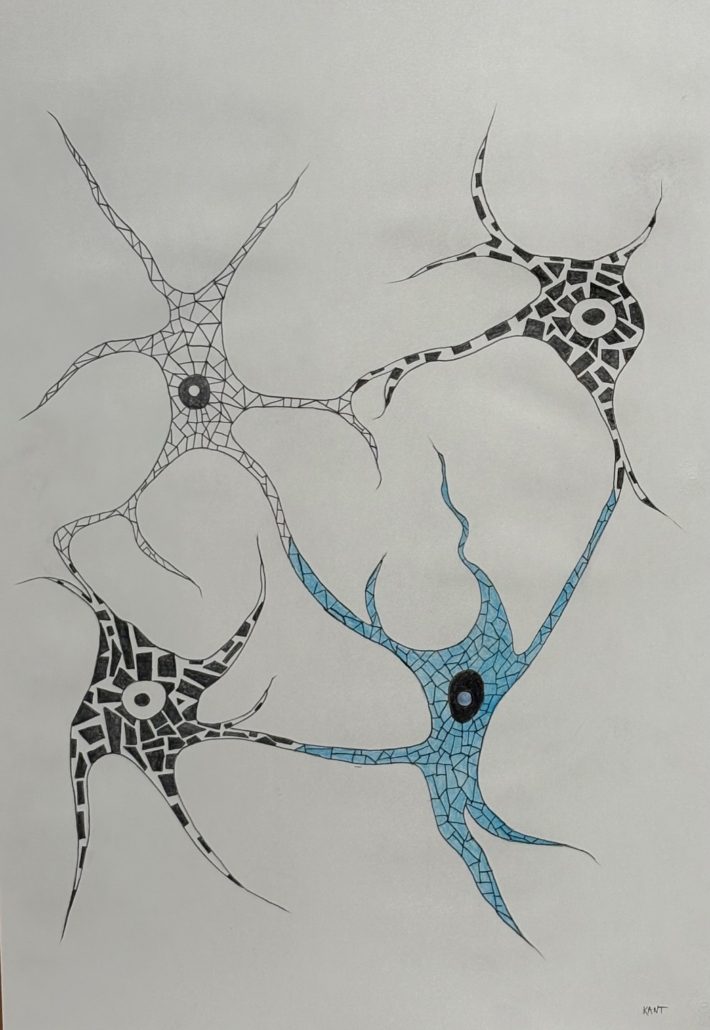
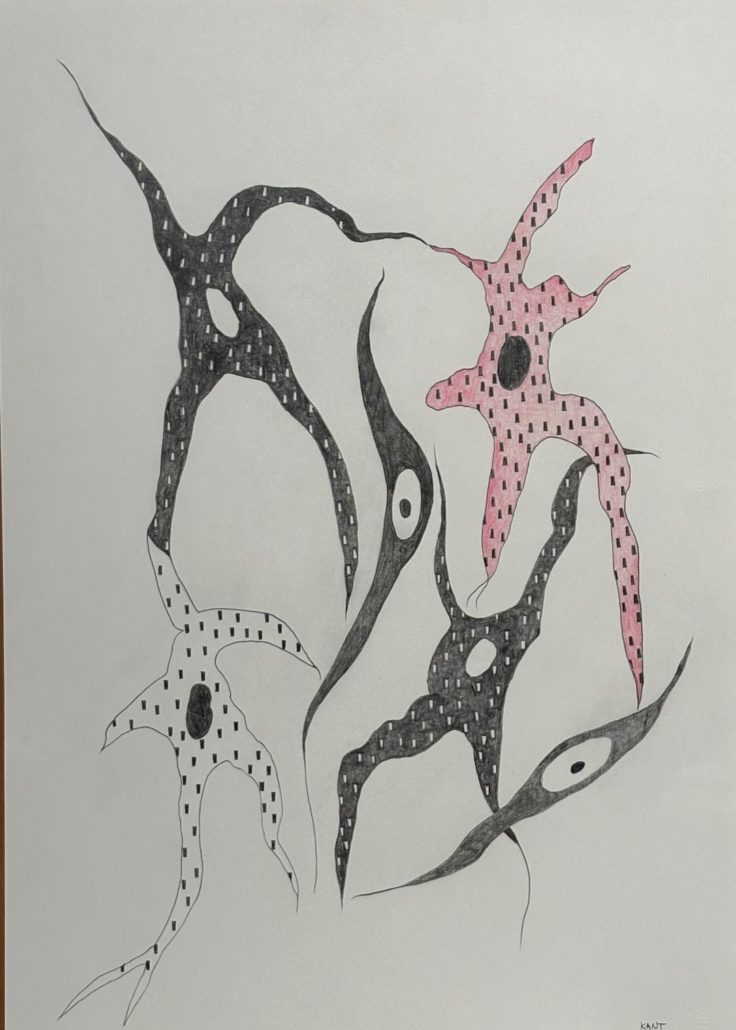
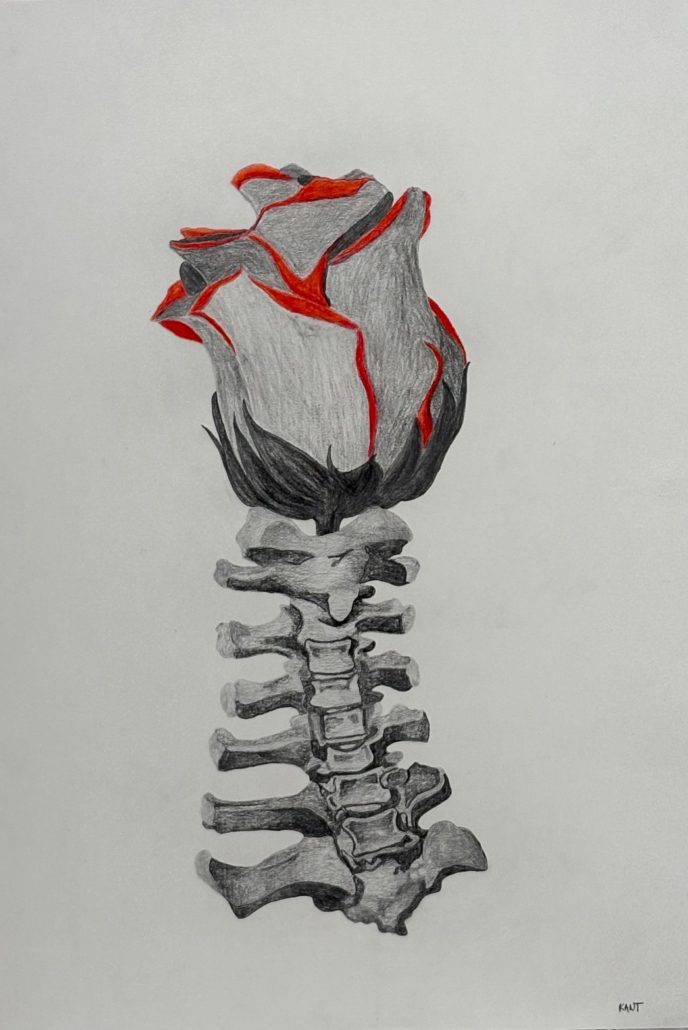
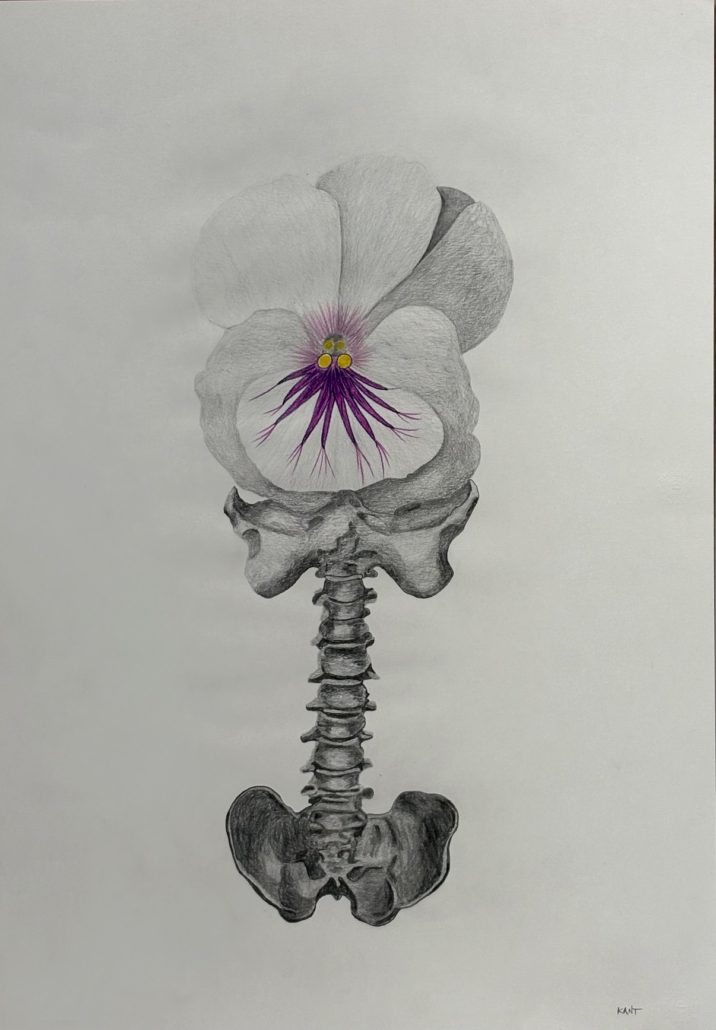
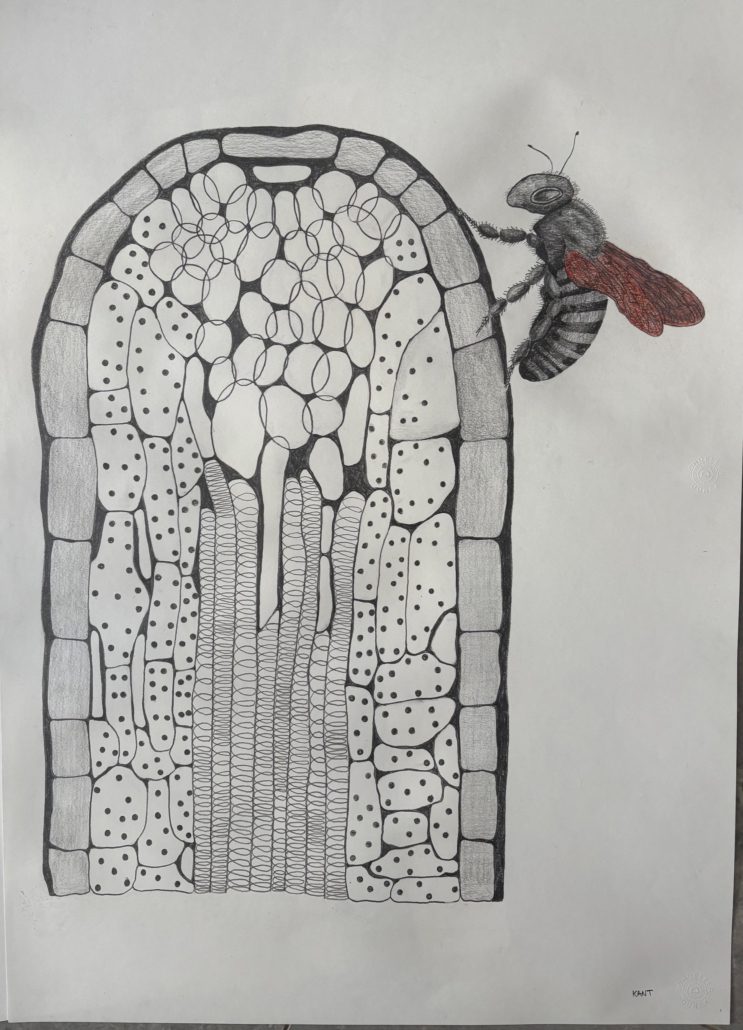
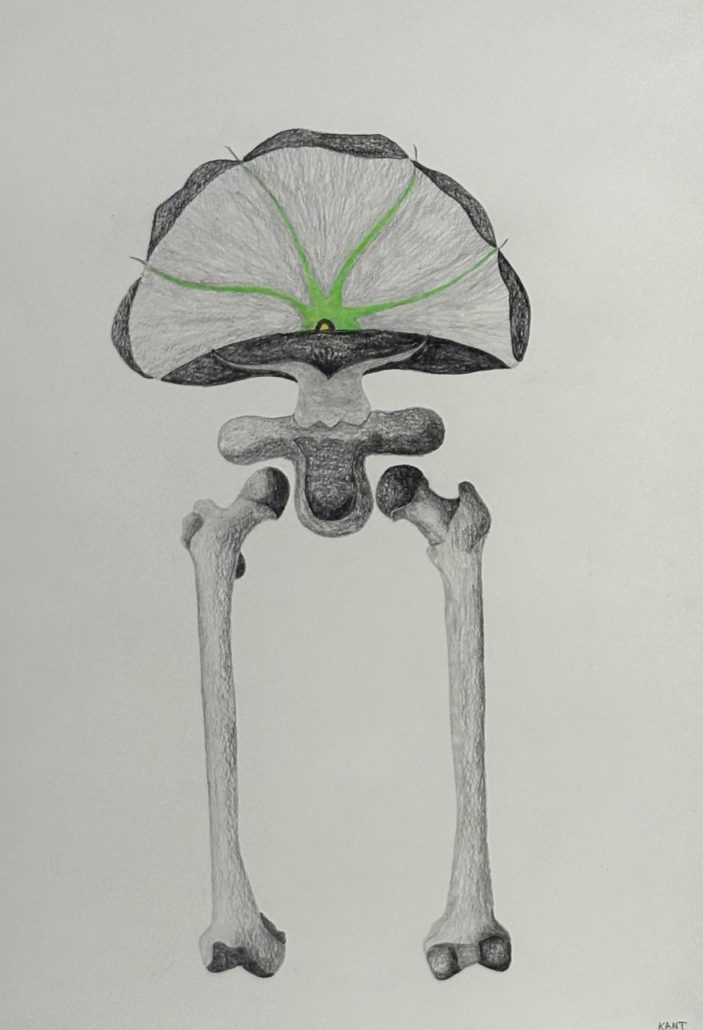
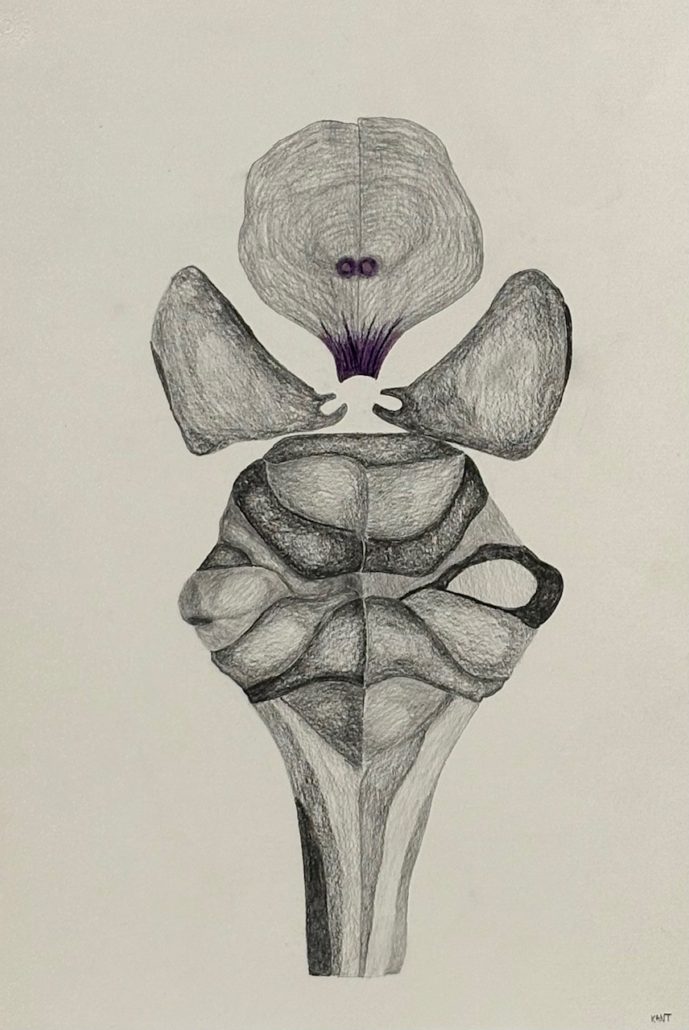
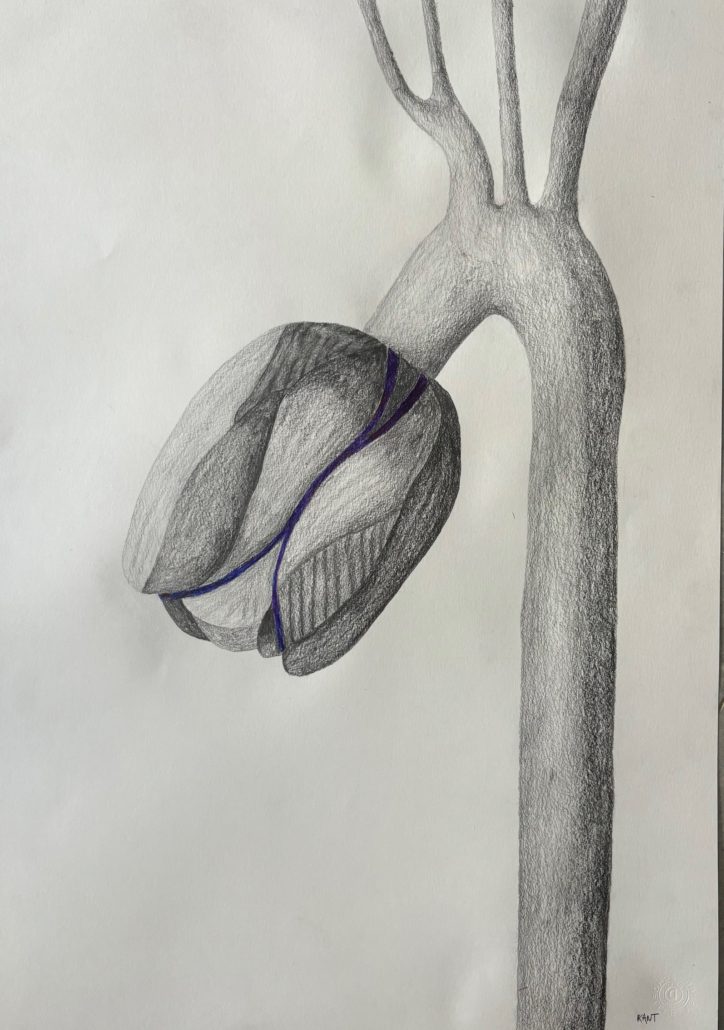
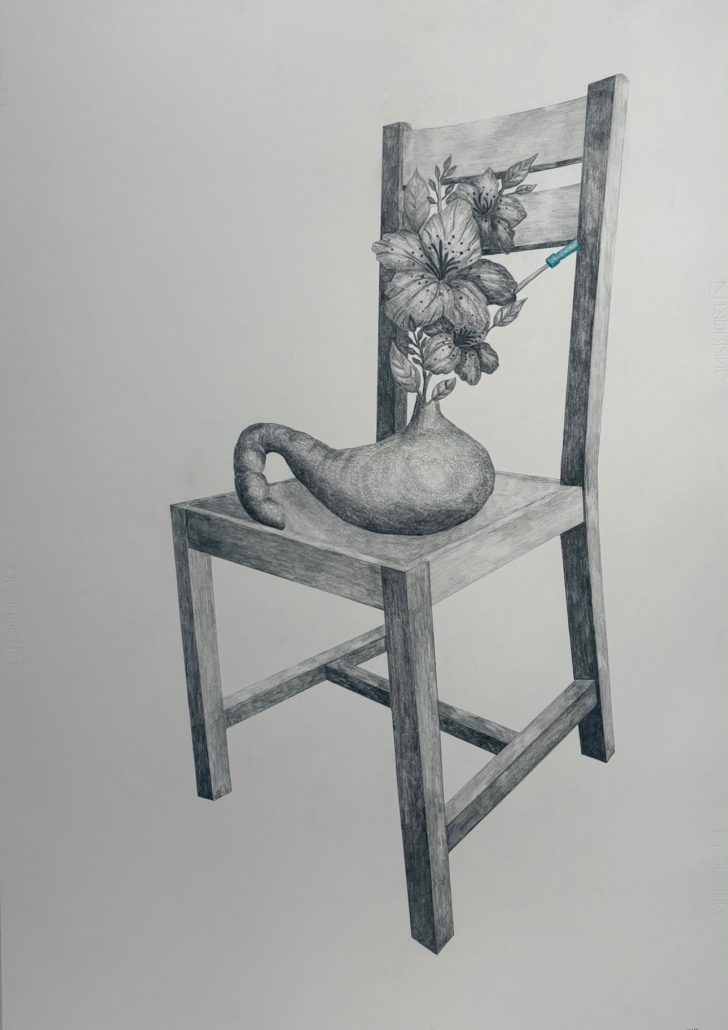
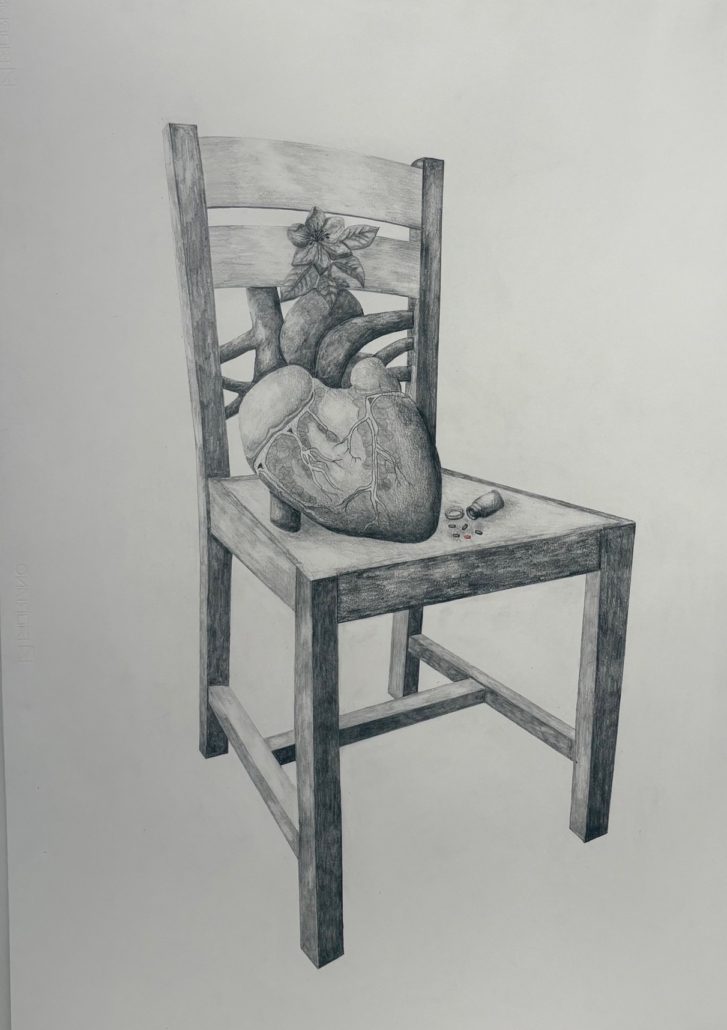
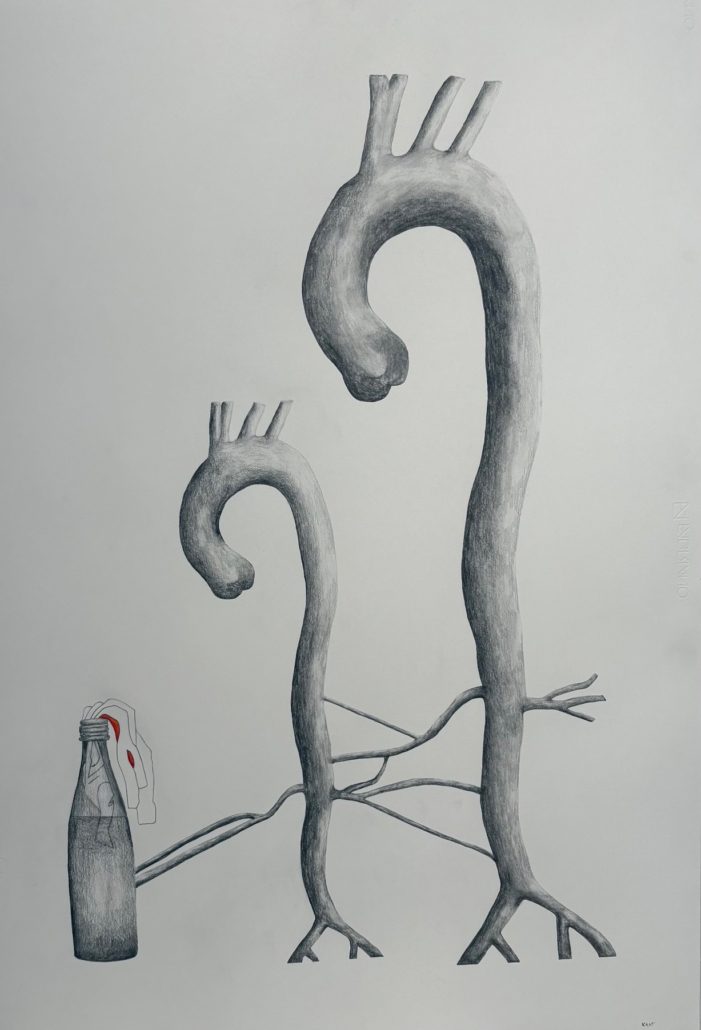
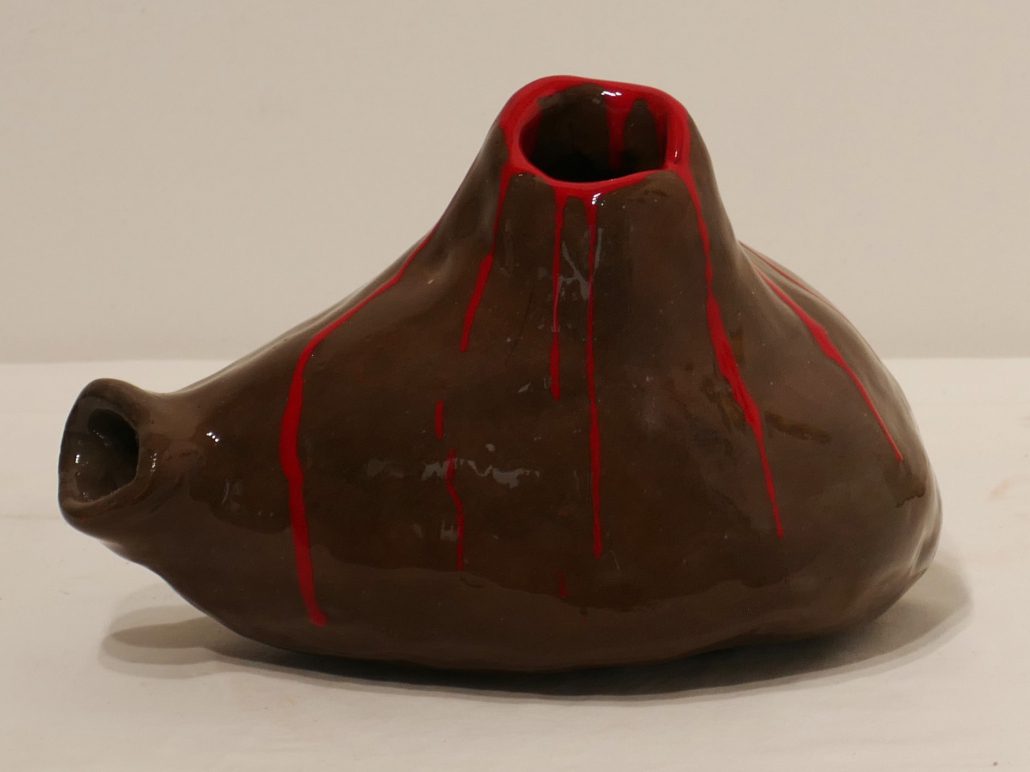
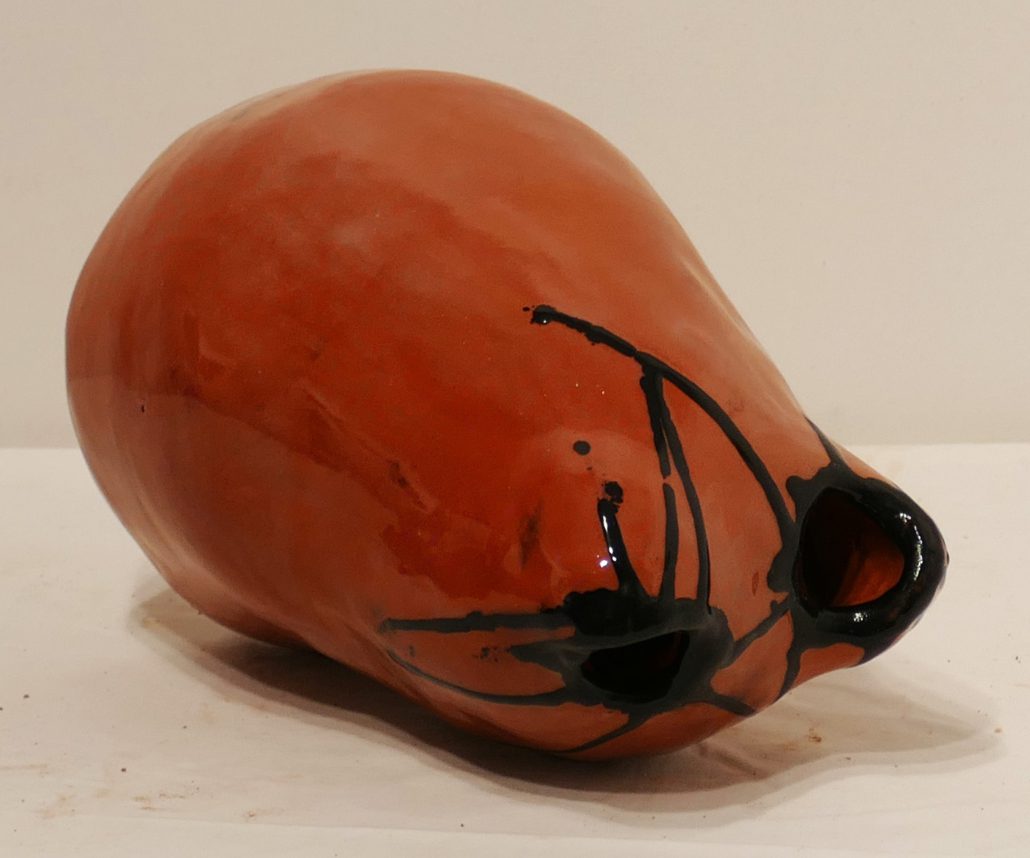
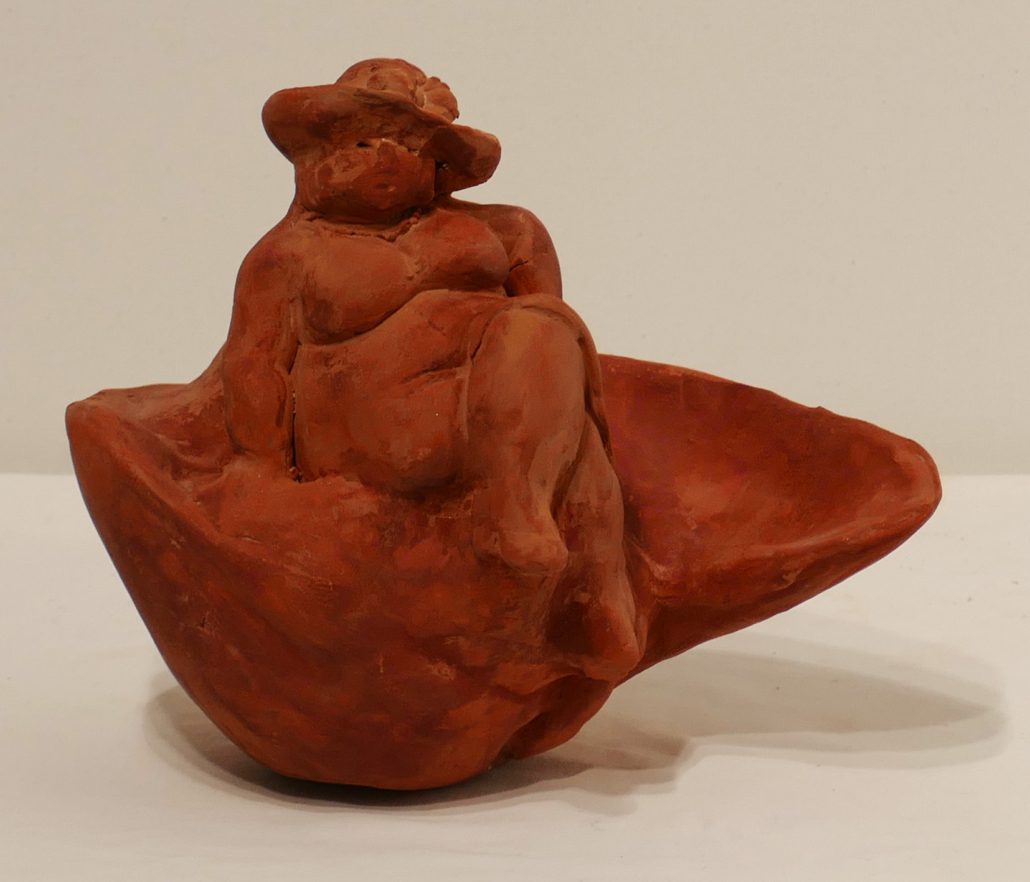
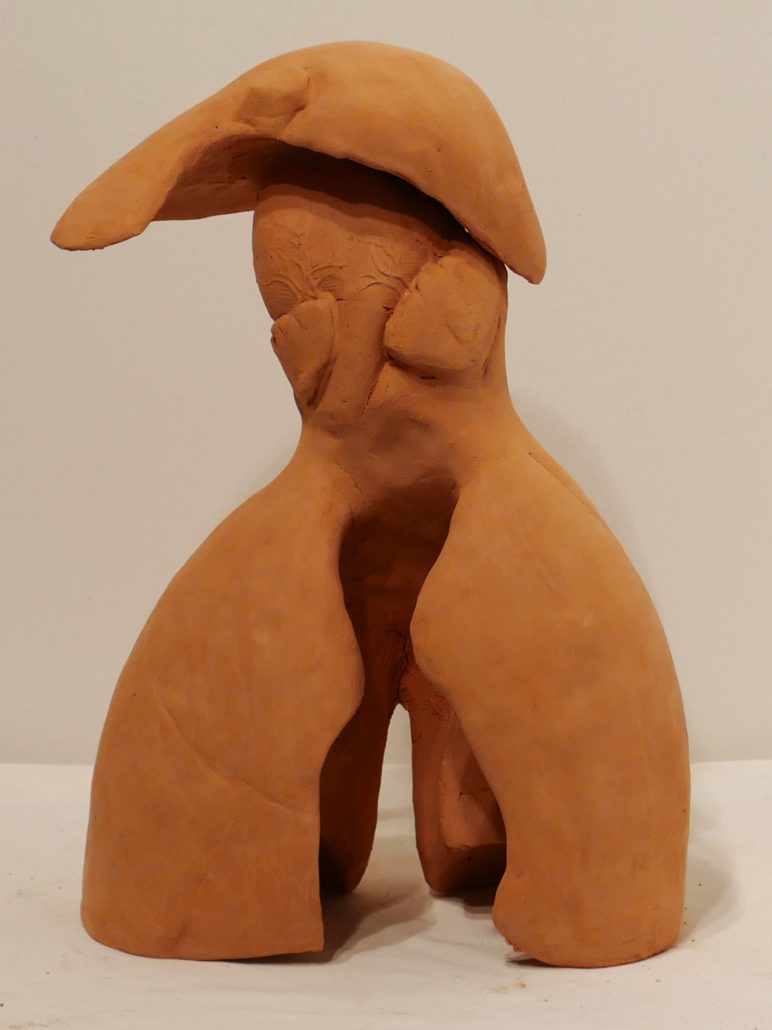
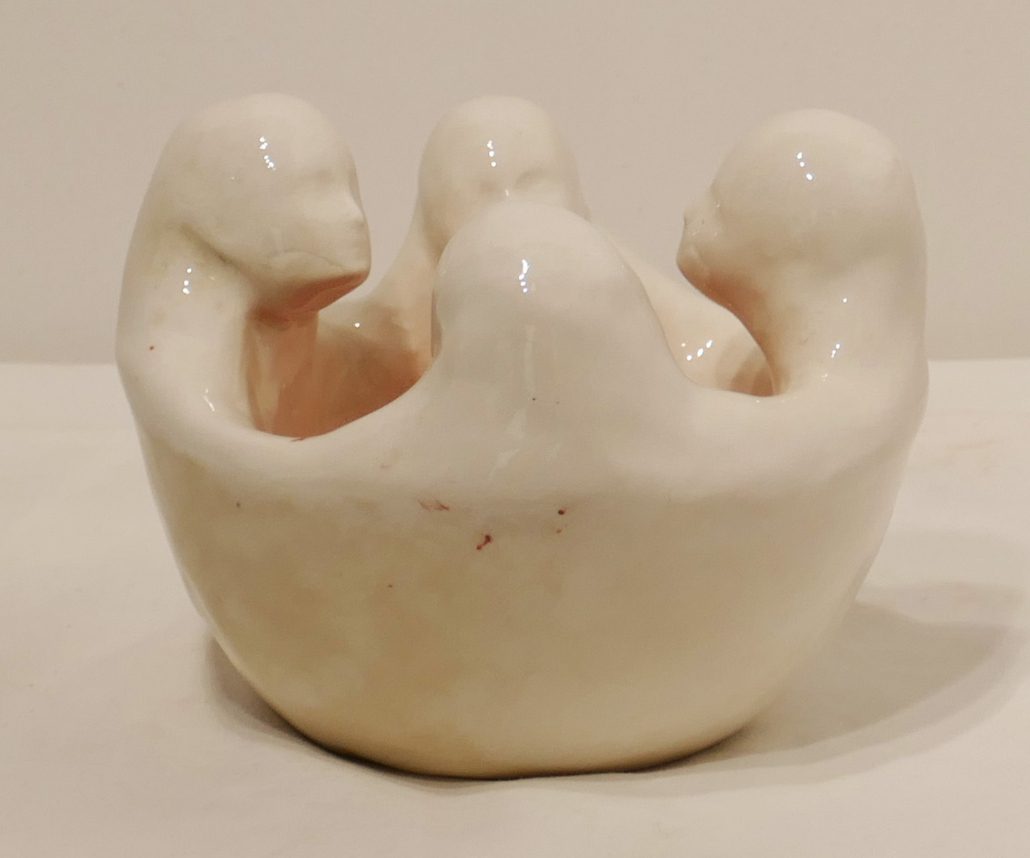
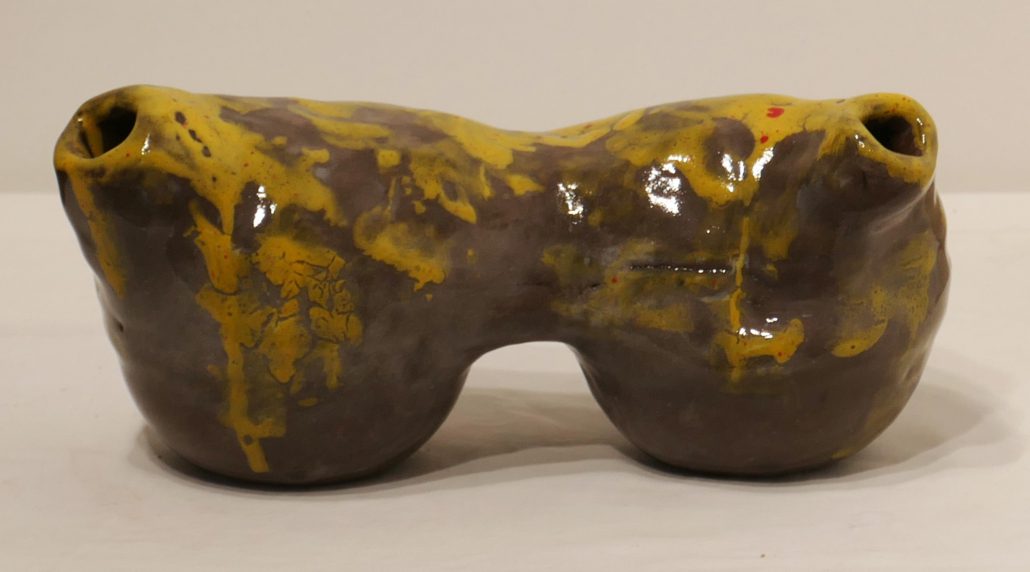
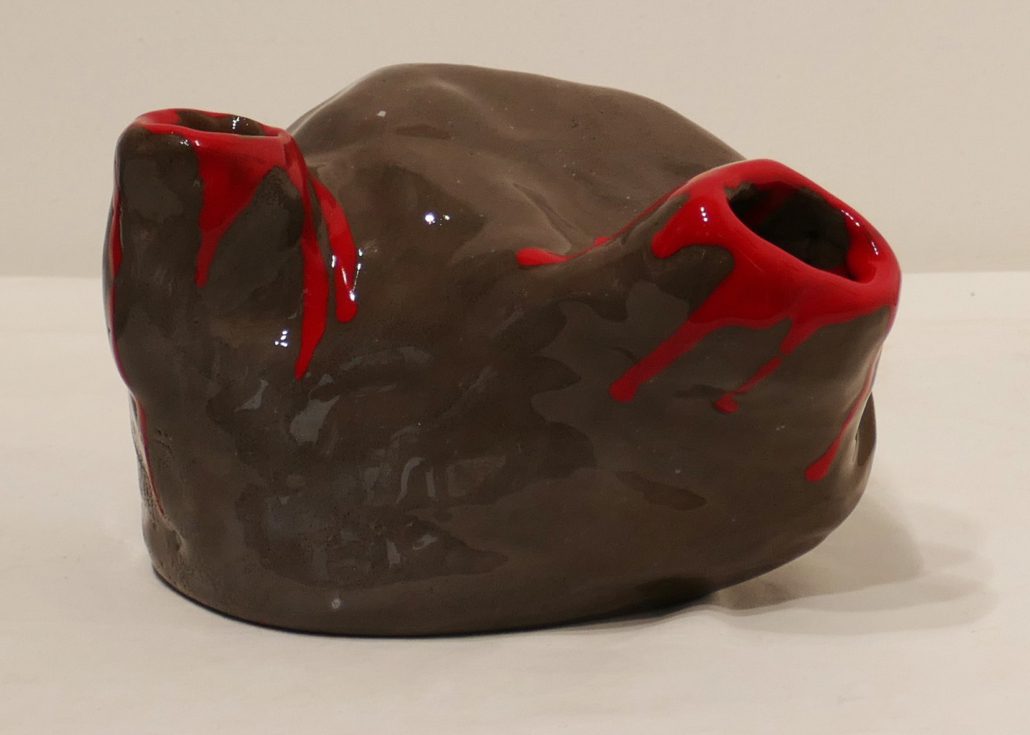
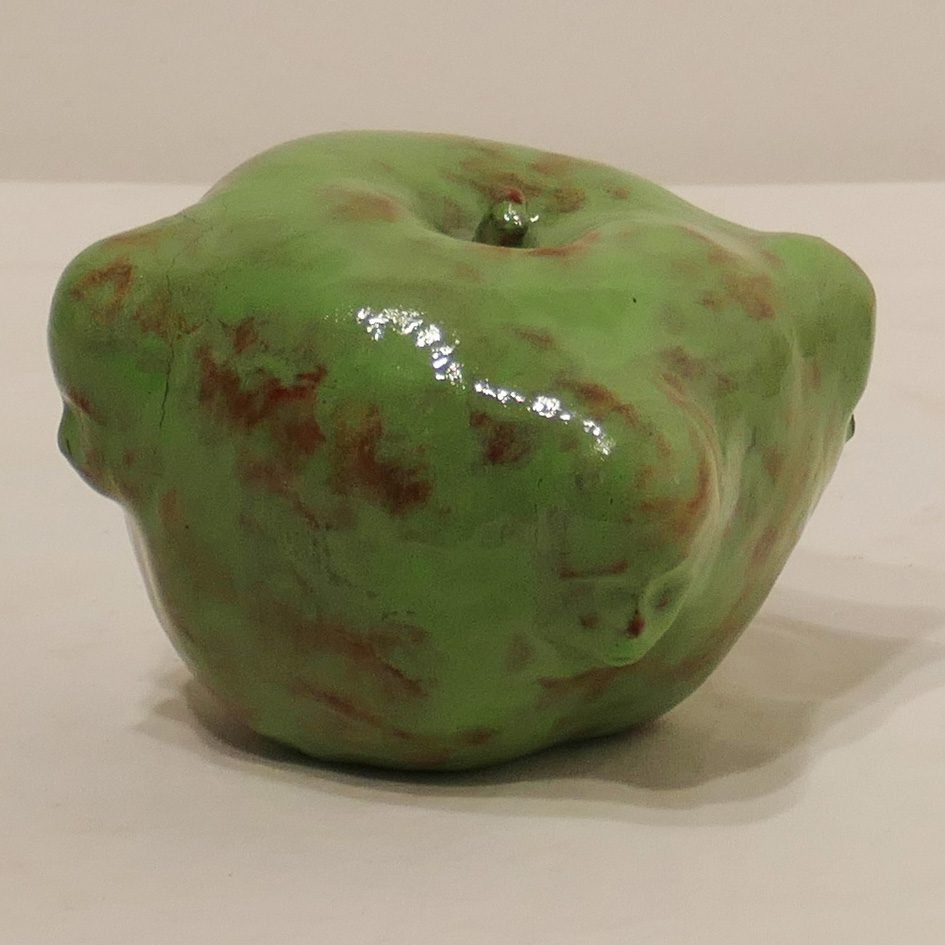
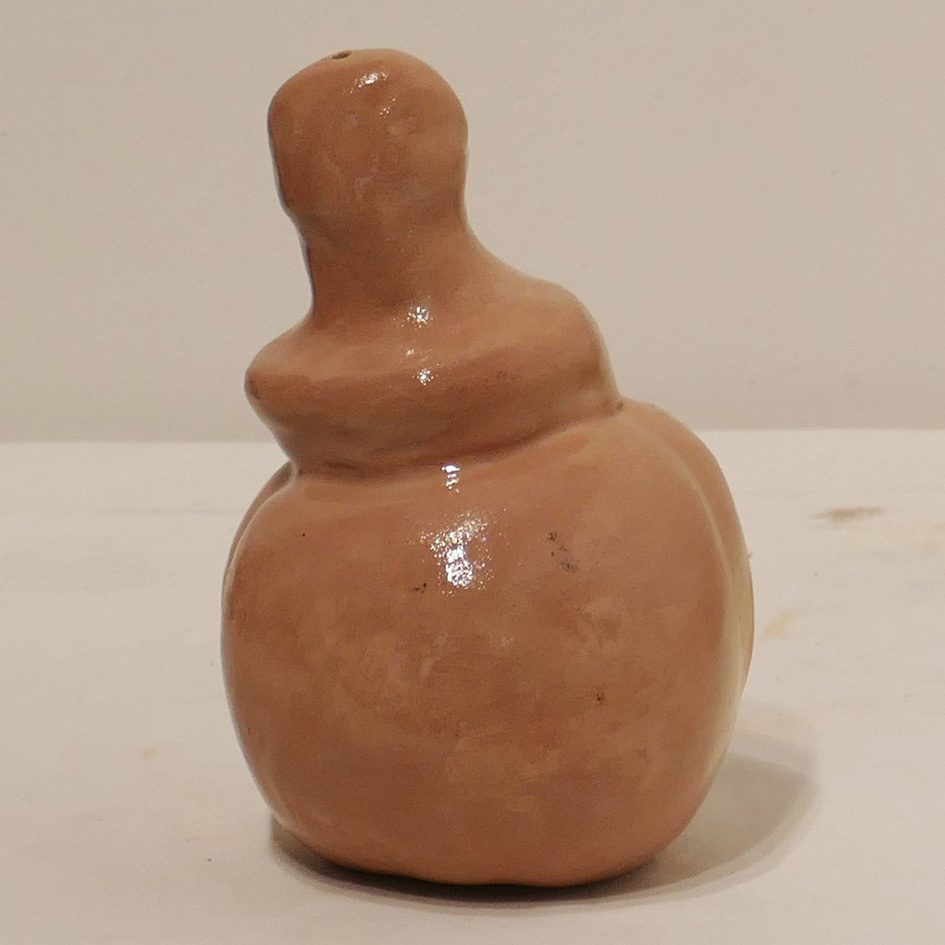
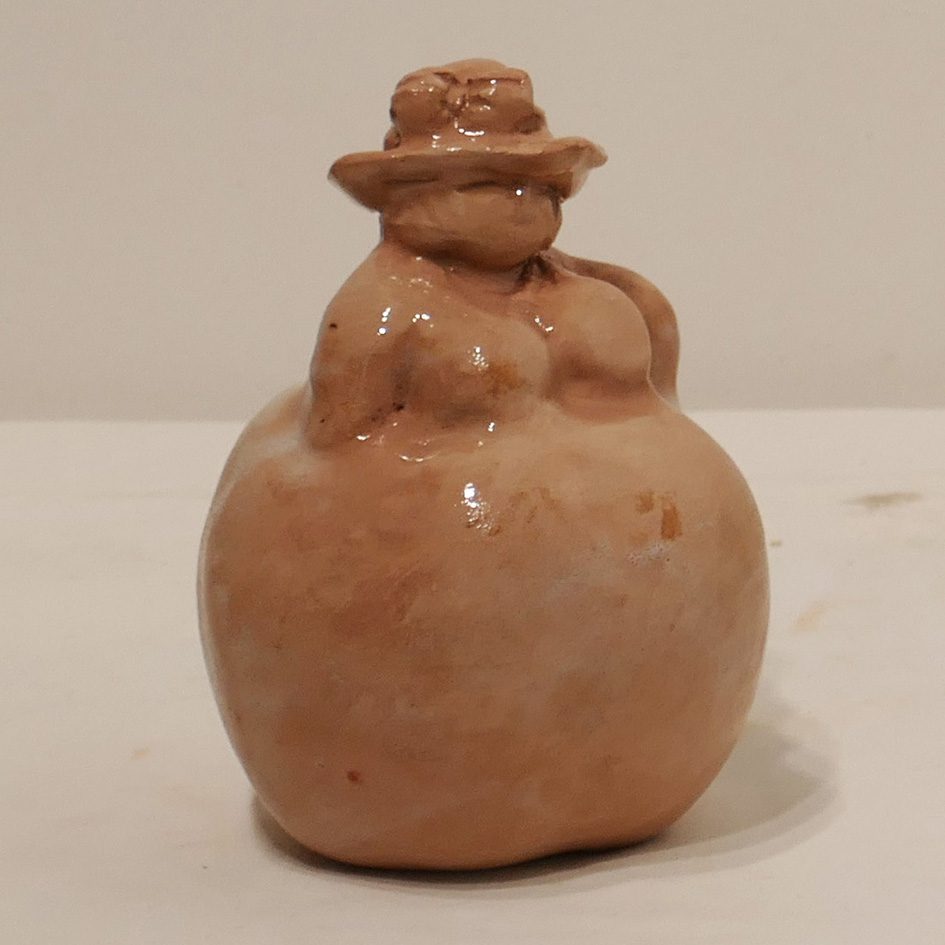
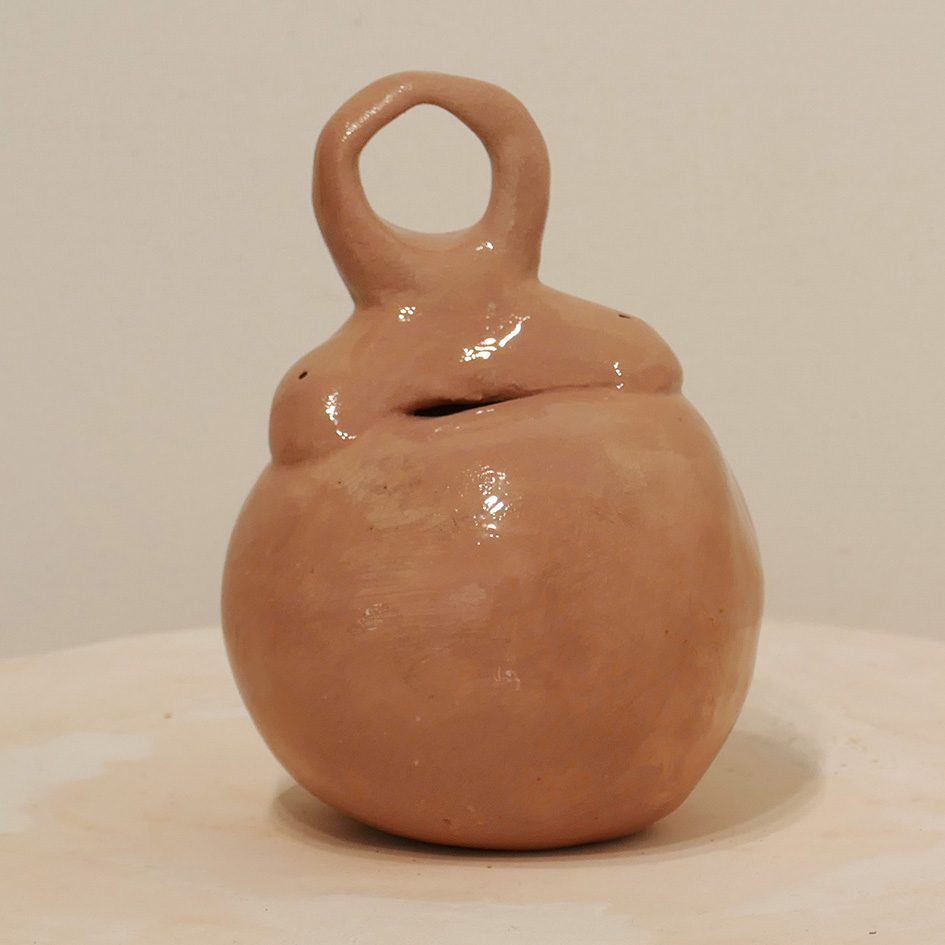
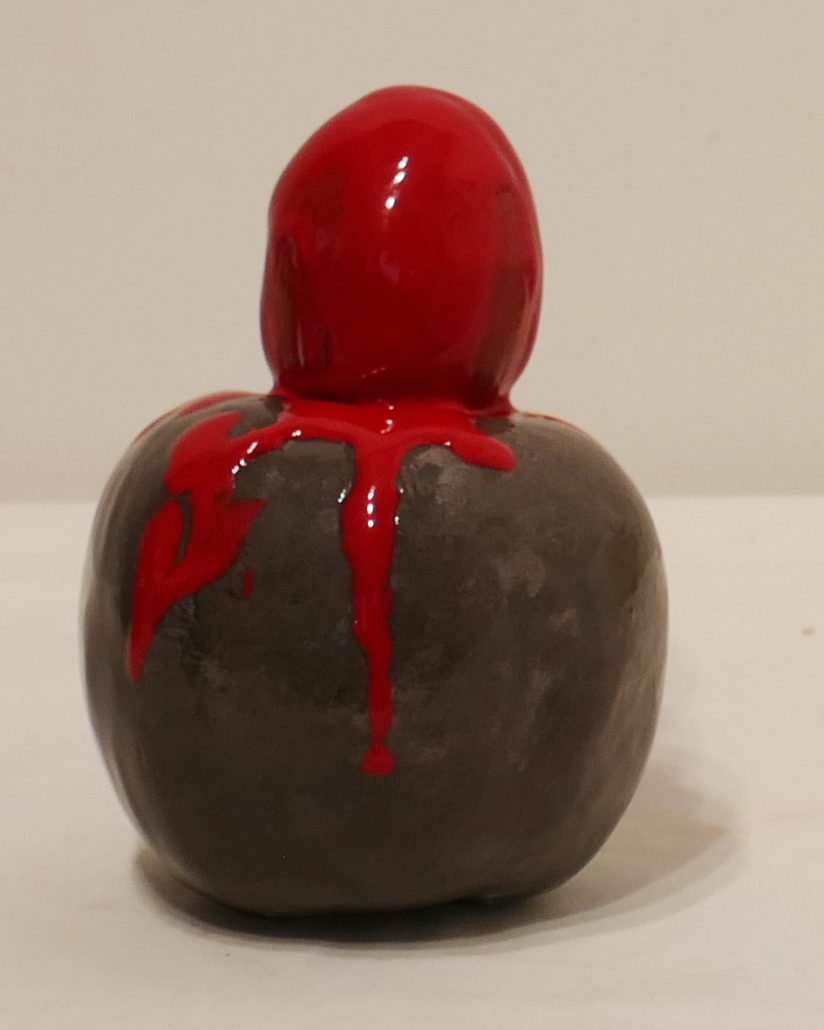
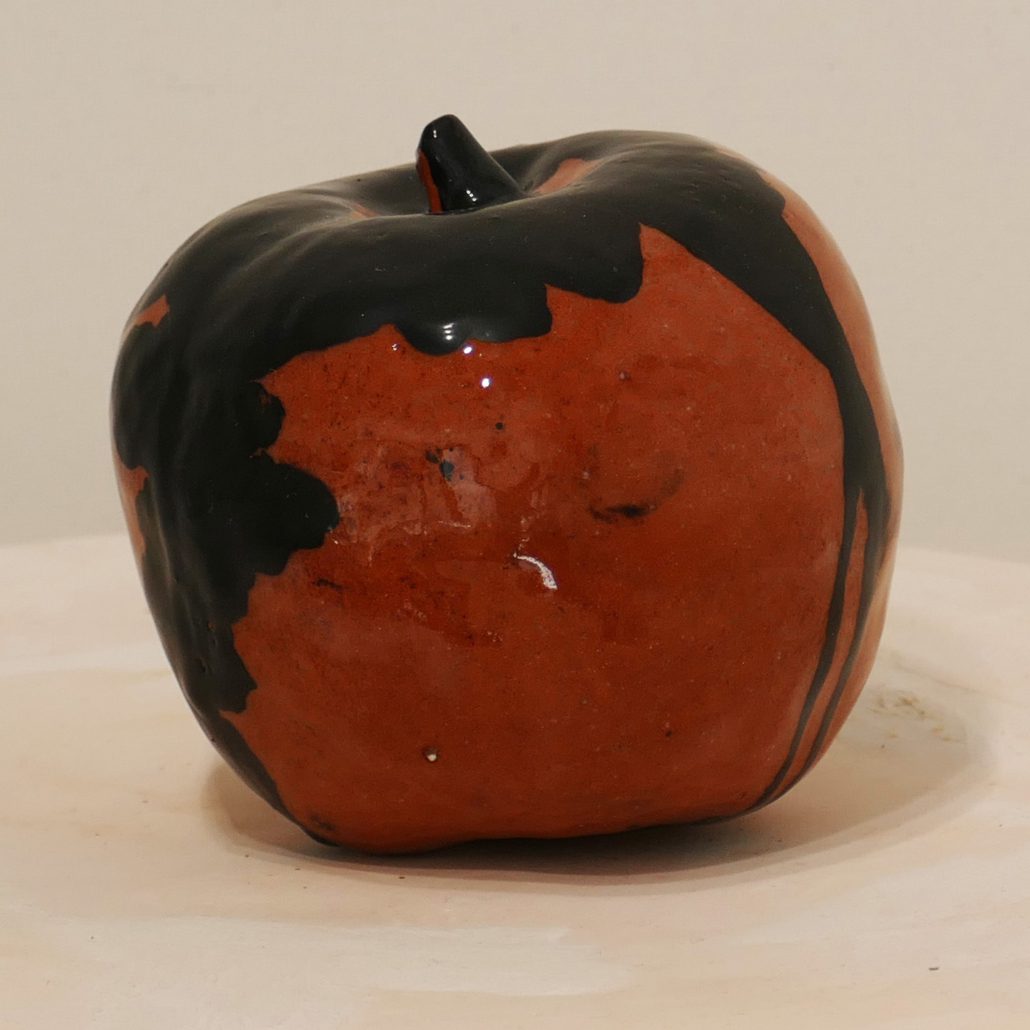
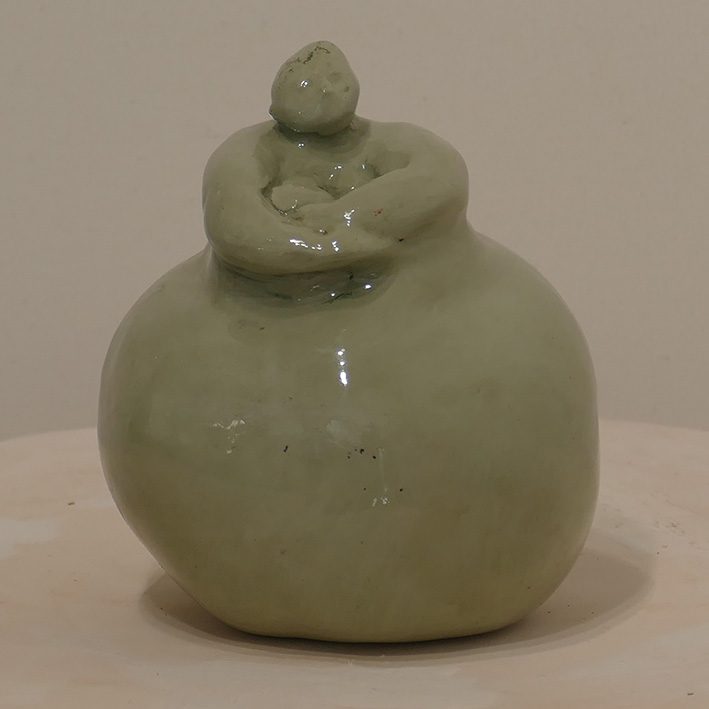
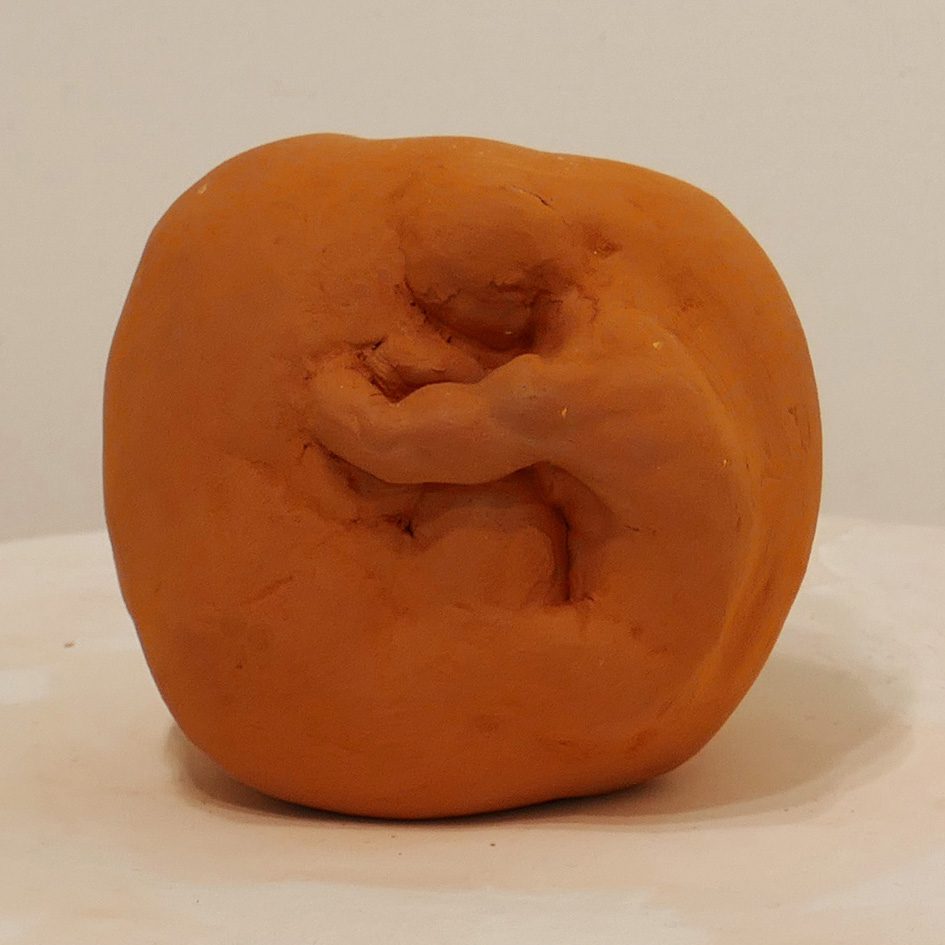
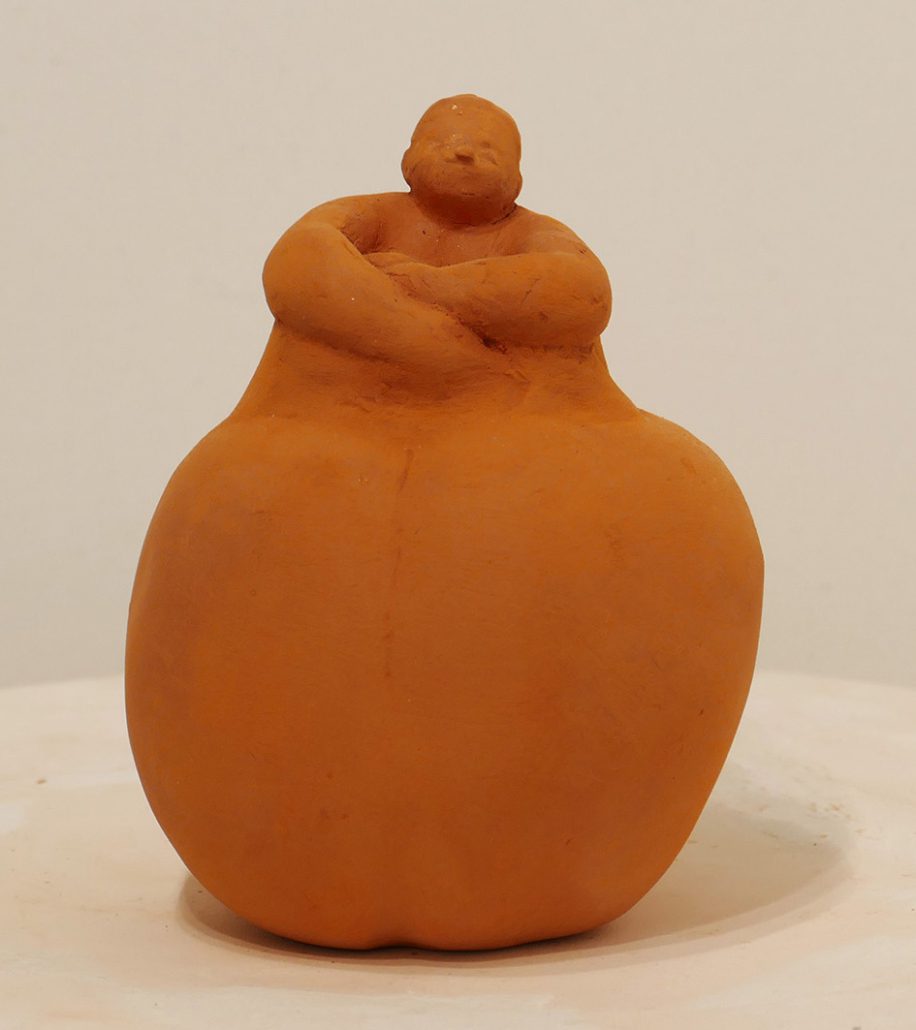
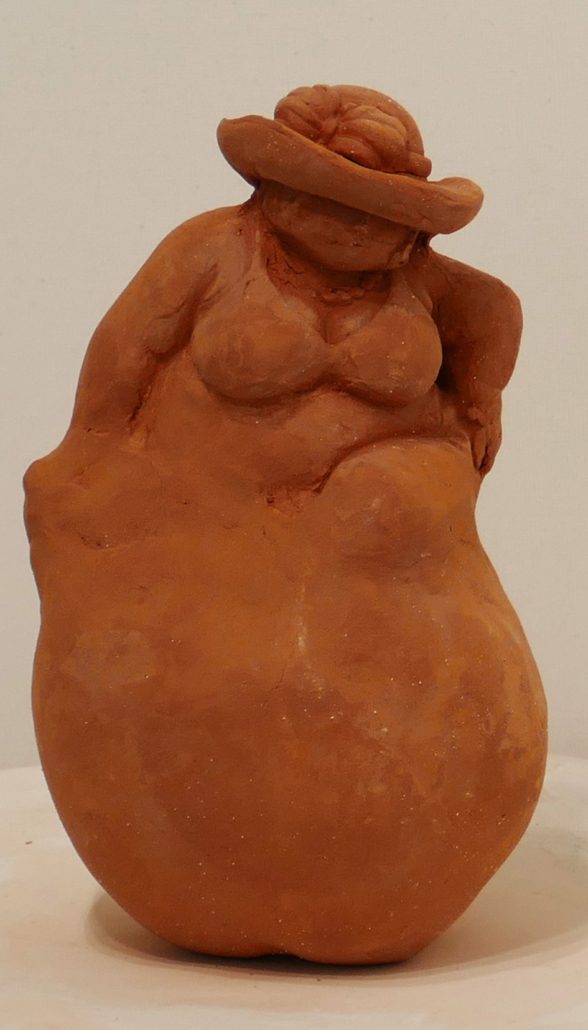
In Konstantinos Kantartzis’ solo exhibition Perception Exercises at Batagianni
Gallery, the viewer discovers forms which are mostly connected with vital human
organs and bones, insects, nuts, trees and other elements of nature. The title of the
exhibition emerges from the titles of the artworks, as they are called Perception
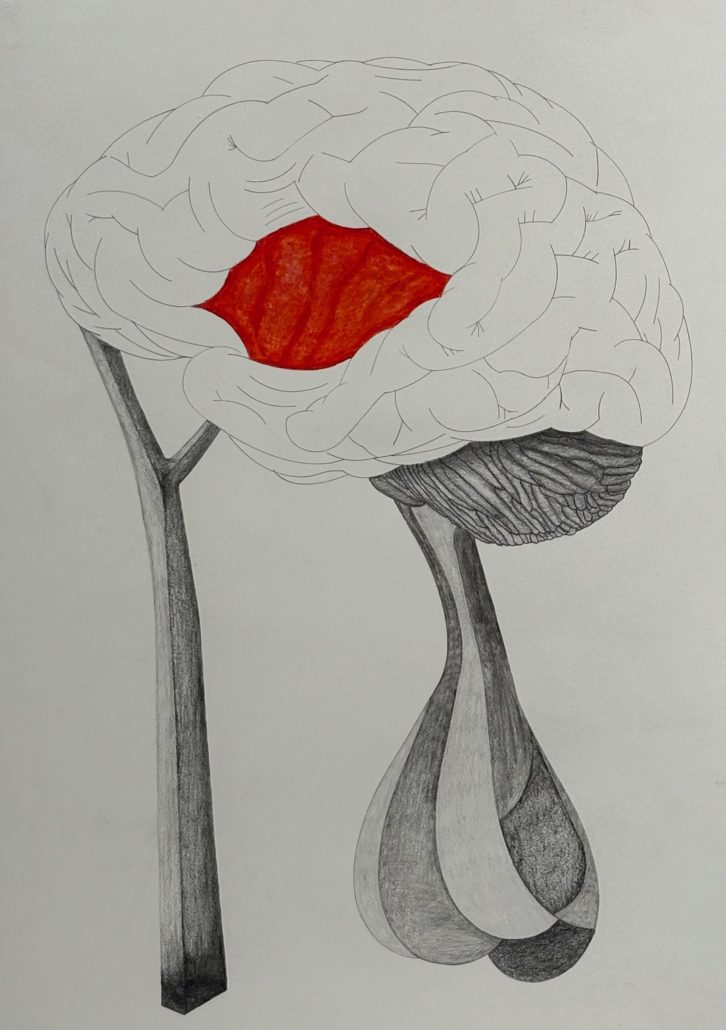
Exercise 1, Perception Exercise 2, etc. The core center of perception is the area of the
brain called Island of Reil (Insula). The Island of Reil is the most important part of the
brain regarding the gathering and processing of information that our senses collect
from the environment. The processing of all these information leads to the realization
of the state of our body and feelings, resulting in the development of empathy and the
conversion of thoughts and feelings to intentions and actions.1 Additionally,
Pareidolia, which is a type of perception, evolves in the Island of Reil. The term
comes from the ancient Greek words “para” (parallel, side by side) and “eidolon”
(idol, effigy and image) and was first used scientifically by the psychiatrist and
neurologist Klaus Conrad in 1958 in order to describe the psychological phenomenon
in which a random inconspicuous external stimulus/pattern can be perceived as
recognizable and significant. Pareidolia is a form of Apophenia, which is the tendency
of the brain to find meaningful connections in vague and meaningless data and
information (such as objects and ideas), derived from previous experiences.2
We come across the phenomenon of Pareidolia in artists of different periods in the
history of art. For example, in the “Treatise on Painting”, Leonardo da Vinci (1452 –
1519) argued that if we look at walls stained by dampness, we can discover
landscapes, remains, rocks, battles, strange forms and other images,3
a reference
highlighted by Rena Papaspyrou (b. 1938) as well, since herself focuses on the
“episodes” or the associative images that arise from the faint natural alterations on the
surfaces of her wall detachments. The Italian painter Giuseppe Arcimboldo (1526 –
1593) created illustrations of fruits, vegetables, books, human bodies, and other
objects in arrangements that form human portraits.4 Later, in the paintings of
Modernism, like those of Vincent Van Gogh (1853 – 1890), Paul Cézanne (1839 –
1906) and Paul Gauguin (1848 – 1903), we can discover secondary images, created
consciously or subconsciously by the artists. Additionally, one of the main advocates
of Surrealism, the Spanish artist Salvador Dali focuses on the illustration of his
subconscious instincts, the desires and sexual fears that haunt him, inspired by the
psychoanalytical theories of Sigmund Freud. He developed the technique of merging
portraits and landscapes in his sculptures, which we also find in many subsequent
artists. He introduced the “Paranoiac-Critical Method” in the 1930s, which is related
to Pareidolia and Apophenia, as Dali places paranoia in the service of creativity. 5
The Perception Exercises sound like a way of training to stimulate and enhance
perception, as Kantartzis almost obsessively produces a large number of works with
dedication and passion. With this “practice,” it is as if he is constantly attempting to
respond to the stimuli around him and with all his energy, he is trying to render what
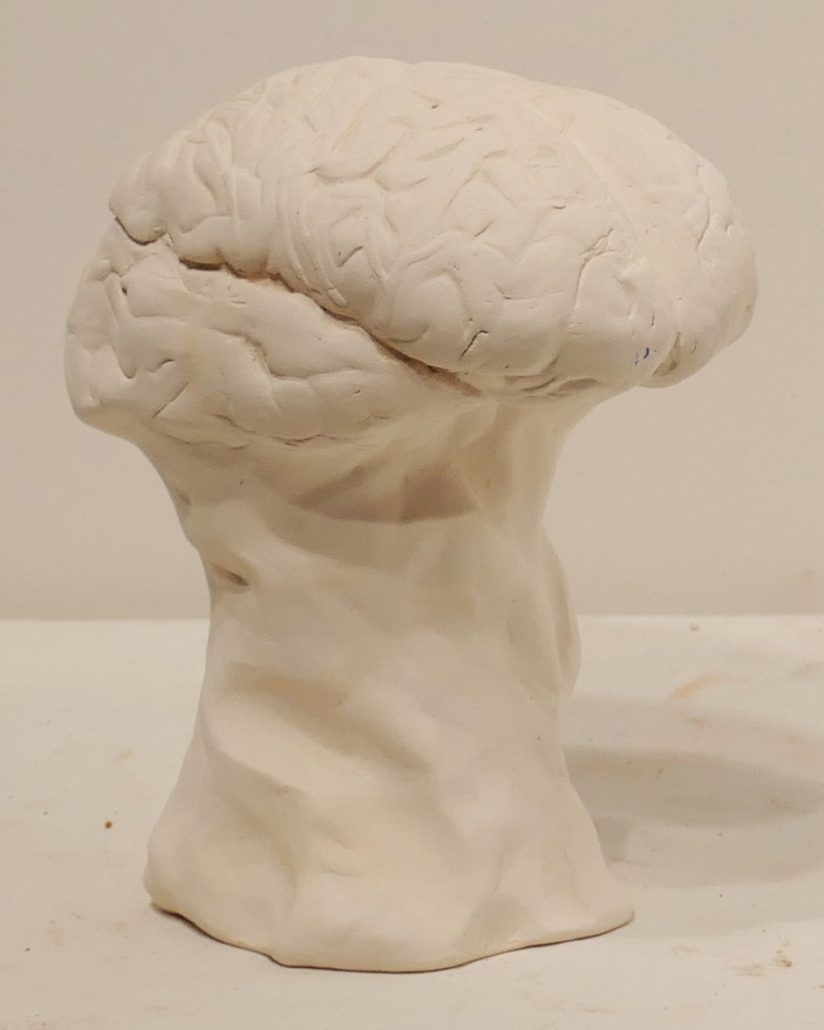
he sees and perceives. For example, he has created a large number of ceramics in
different colors that refer to both walnuts and human brains, but he chooses a much
smaller number to exhibit. It is as if he is constantly and “frantically” experimenting
and turning himself into a production machine.
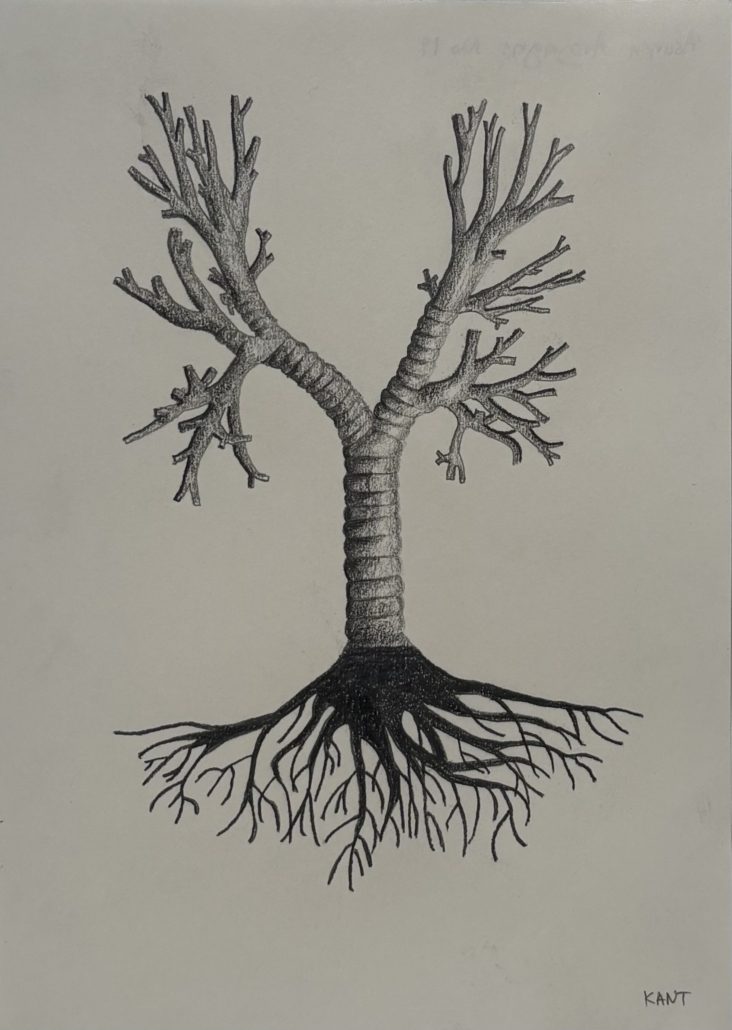
Through his works, Kantartzis points out that in life there are different aspects of
things. In some of his drawings and ceramic sculptures one can discover forms that
resemble trees or mushrooms and at the same time lungs. In them, Kantartzis
emphasizes the vital role that nature plays in human life, the inextricable connection
that exists between nature and the organism, a connection that is also visible, an
antithesis that highlights the importance but mainly the interdependence of the two.
In one of his pencil drawings, we see at first glance a fly trapped in a spider’s web.
Looking more closely, we realize that a part of the fly’s body resembles a human
tongue. We understand the implication that when we do not control our tongue and let
it “run free” and say whatever it wants without responsibility, without “filtering,” we
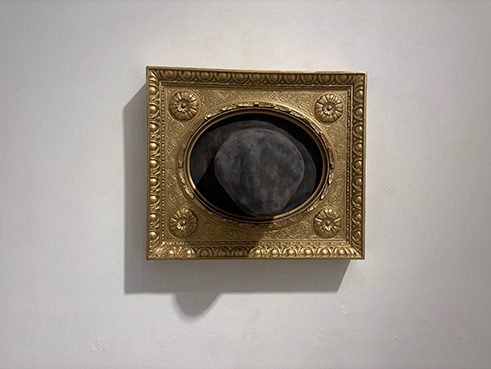
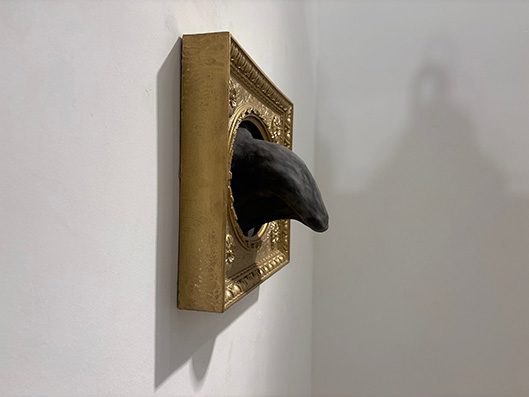
can find ourselves trapped in a vicious cycle. A similar idea is expressed in his wall
piece, where a ceramic figure that refers to a human tongue or a snake’s head emerges
from an old-fashioned gold frame. On the one hand, the work is reminiscent of
Caravaggio’s (1571 – 1610) attempt to expand his figures out of the borders of
painting into space, on the other hand, it teaches us that speech is not always
experienced with detachment and can easily cross the limits and become poisonous.
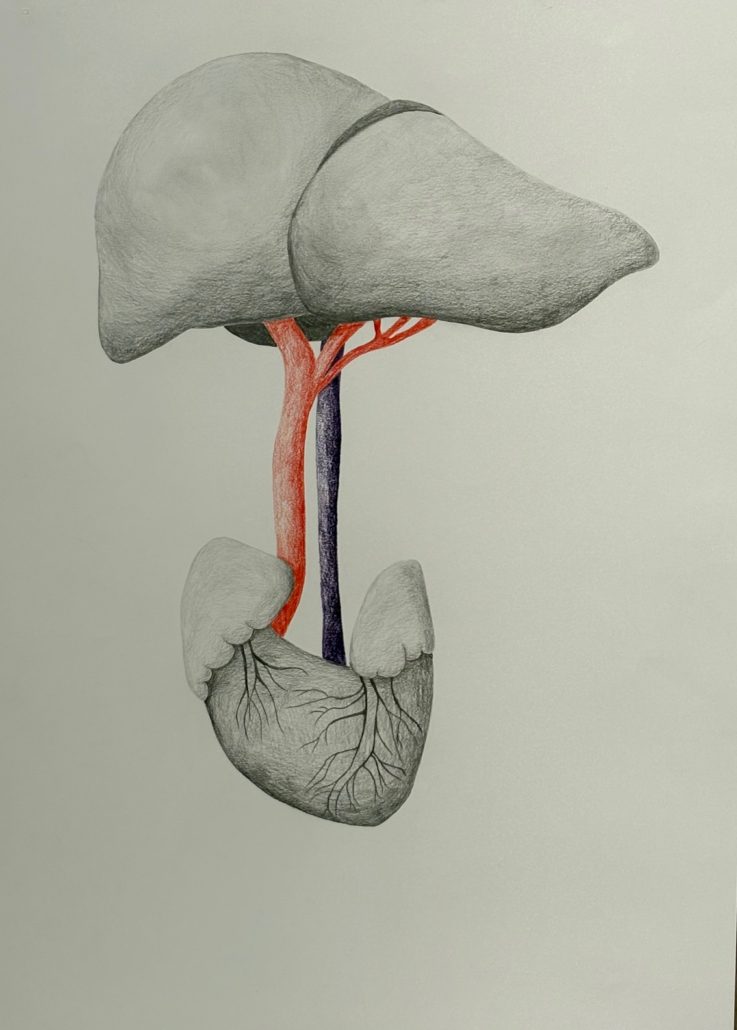
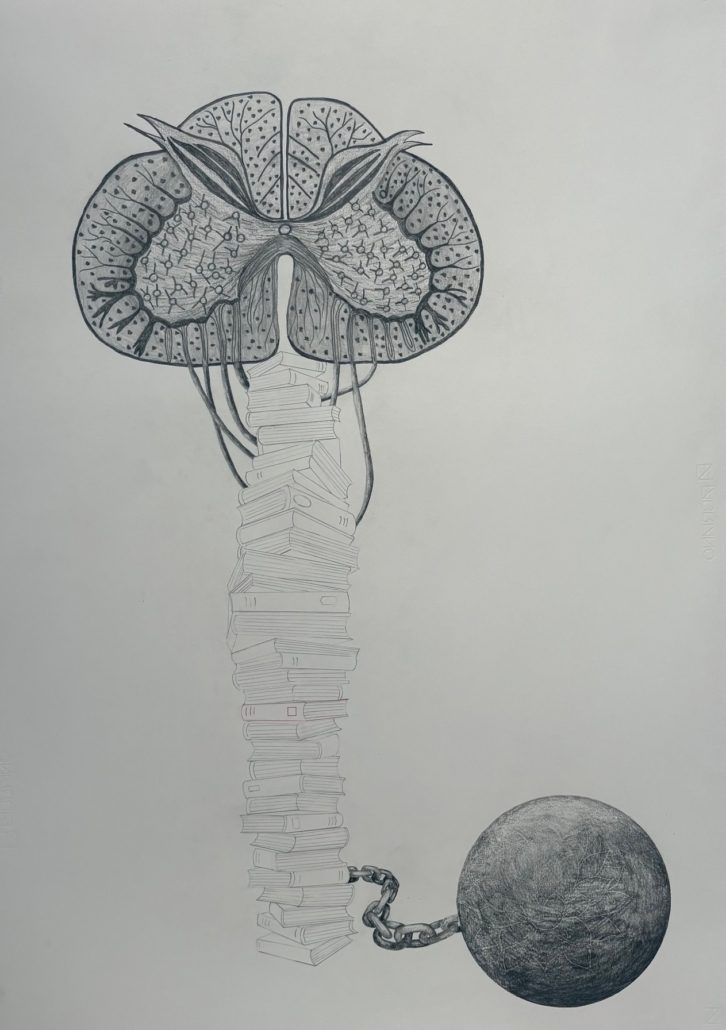
We realize that the human body is at the center of Kantartzis’ works, and especially
its non-visible side, what exists under the skin, such as the vertebrae, the lungs, and
the brain, perhaps due to his parallel capacity as Dermatologist-Venereologist. The
science of medicine offers him the ability to look beyond the flesh and extract legible
forms of the internal chaos of the human body. His forms, however, do not resemble
the brutality found in depictions of the anatomy of a corpse, as he is interested in
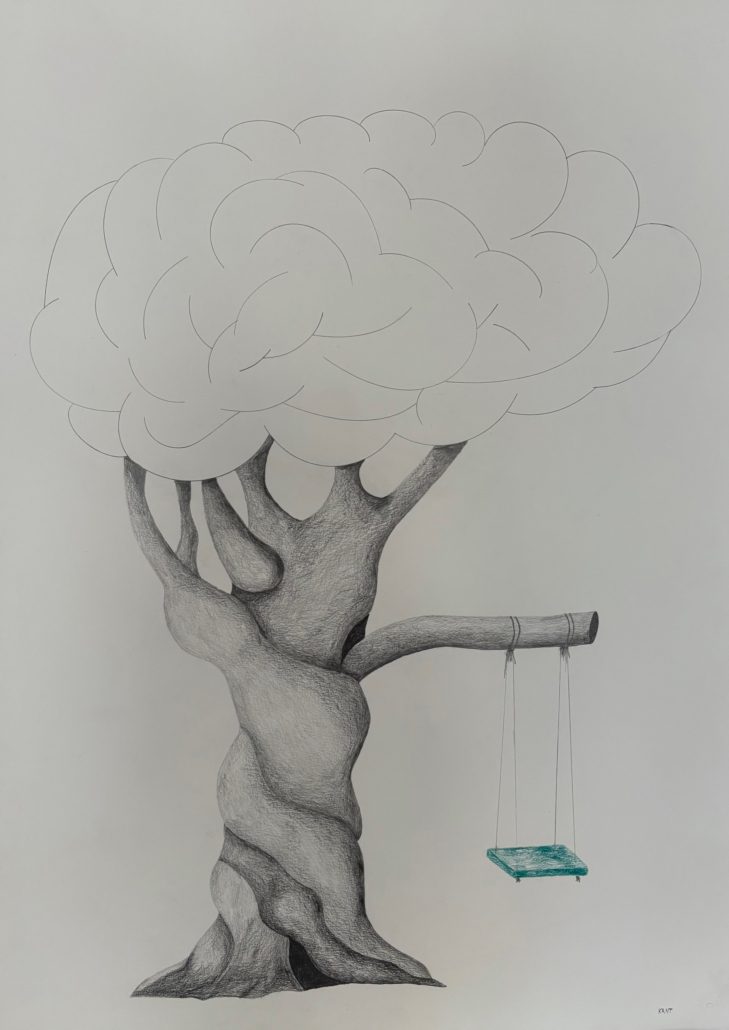
“playing” with the multiple readings that arise from the phenomenon of Pareidolia, as
is the case of the drawing with the tree/brain, where a child’s swing is tied to one of
the vessels (which supply blood to the brain/branches). Beyond the phenomenon of
Pareidolia, the empty swing implies the existence of the child and mainly the contact
that develops with the parent during play, as the latter pushes/touches the child on the
back to rock him. This contact conveys experience, emotion, security, confirmation,
with the final recipient being the brain.
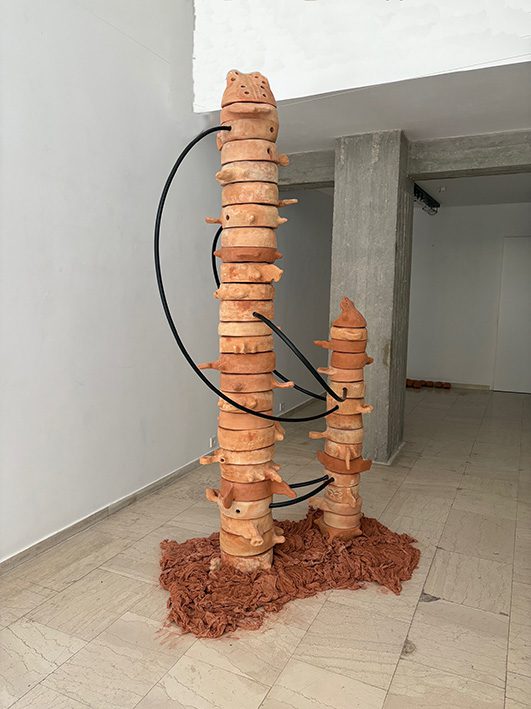
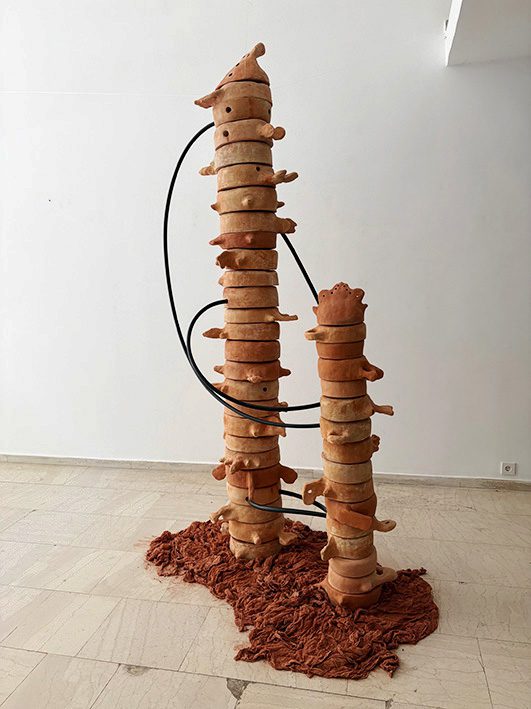
In the sculptural installation of two “tree trunks” made of ceramic pieces/vertebrae,
Kantartzis wishes to touch upon the relationship between parent and child and the
Oedipus complex. The large trunk symbolizes the parent and the smaller one the
child, while the metal tubes that emerge from the ceramics and connect them together
are reminiscent, on the one hand, of the neurons found in the vertebrae and, on the
other, of the complex bond between parent and child. Kantartzis transforms the
human body, and specifically the spine, from a simple object of research and personal
perception into a place of experience for viewers. Our mind, which is a set of
functions performed by the brain and shapes our perception of the external world,
determines our attention and actions. 6 Thus, we receive from the vertebrate trunks a
“signal” of both robustness and vulnerability at the same time, which guides our
movement, our exploration with curiosity but also caution around and among them.
Finally, the processing of meanings and images and the stimuli offered by the works
of art are based largely on the recipients themselves. Each of us reacts differently to a
work and we give our own interpretations, as our appreciation and perception is
influenced by our personal inclinations and prejudices, our cultural background and
taste. 7 Also, let us not forget that each project is completed with our perceptual and
emotional involvement, as we, the viewers, add meaning and value to the project
through our own interpretation and approach.8
In the case of Kantartzis’ work, we are
invited to discover the forms he has created through the phenomenon of pareidolia,
but at the same time to take with us our own impressions and make our personal
connections.
Stratis Pantazis
Curator and Art Historian